Things to Do in Rome: An Art Lover's Honest Guide (2026)
What to see, where to eat, which museums to book weeks ahead. A practical guide to Rome built around real prices, timing, and neighbourhood tips.
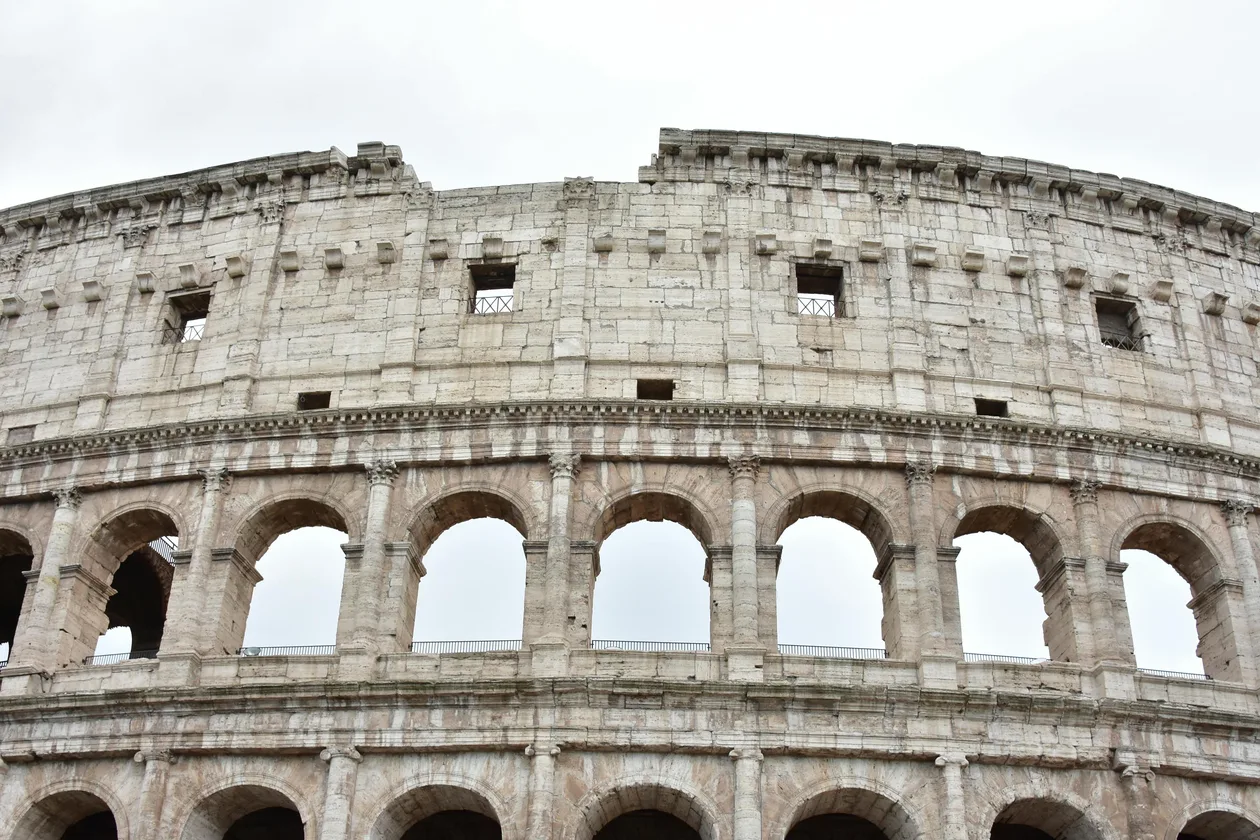
Rome has too many things to do for one trip, and that is the problem. Most visitors queue at the Vatican by 9 AM, burn out by 2 PM, and eat overpriced pasta near the Trevi Fountain by 7 PM. The trick is knowing which sites need advance booking, which neighbourhoods reward walking, and what to skip.
Real prices for 2026, specific restaurants where Romans actually eat, free art that rivals the ticketed kind, and an honest read on which sites are worth the queue.
Tight schedule? Our Vatican and Colosseum in one day playbook, Rome museums in one day, and Rome 3-day itinerary cover the most-asked pacing scenarios.
The sites that need advance booking
Six attractions need planning. Sort these before anything else.
Vatican Museums + Sistine Chapel. €20 online plus €5 booking fee (€25 total). Open Mon-Sat, 8 AM to 8 PM (last entry 6 PM). Closed Sundays except the last Sunday of the month, when entry is free and queues stretch 2-3 hours. Book 30-60 days ahead for the 8 AM slot, when the Sistine Chapel is nearly empty. By 10 AM the corridors are shoulder to shoulder. Our Vatican tickets guide has the full breakdown; the GetYourGuide skip-the-line ticket is the easiest backup when official slots sell out.
Borghese Gallery. €18 including booking fee. Strict 2-hour time slots, 180 people maximum per slot. Tickets open 30 days ahead and sell out 2-3 weeks before in peak season (April-October). The collection fits in two hours: Bernini's Apollo and Daphne, Caravaggio's Boy with a Basket of Fruit, Canova's Pauline Bonaparte. See our Borghese tickets guide for the slot strategy.
Colosseum + Roman Forum + Palatine Hill. €18 combo ticket, valid 24 hours. Under-18s from the EU enter free. Tickets open 30 days ahead. Walk-up purchase means 45-90 minute queues in high season. Pre-booking skips the ticket line; security queues (10-30 min) remain. Full details in our Colosseum tickets guide.
Colosseum Underground + Arena Floor. Only 250 people per day access the hypogeum tunnels where gladiators waited. €117 on GetYourGuide (4.7★). Books out weeks ahead. Our underground guide covers whether it justifies the jump over the standard ticket.
St. Peter's Dome Climb. €8 with the lift to the roof level, then 320 steps on foot through a narrow spiral. €10 if you climb all 551 steps. No booking, but queues after 10 AM stretch long. Our dome climb guide covers timing and what to expect.
Castel Sant'Angelo. €15, Tue-Sun. Hadrian's mausoleum turned papal fortress, linked to the Vatican by a secret passageway. Book online to skip the queue. The roof terrace has one of Rome's best panoramas, included with entry. Details in our Castel Sant'Angelo guide.
Art without the queues
Rome's churches hold some of Europe's finest art, free. Three Caravaggios in one chapel, a Michelangelo sculpture, two Raphaels in a side aisle.
San Luigi dei Francesi. Three Caravaggios in the Contarelli Chapel: The Calling of Saint Matthew, The Martyrdom of Saint Matthew, The Inspiration of Saint Matthew. Bring a €1 coin to light the paintings for 90 seconds. Free, open daily, two minutes from Piazza Navona.
Santa Maria del Popolo. Two more Caravaggios in the Cerasi Chapel: the Crucifixion of Saint Peter and the Conversion on the Way to Damascus. Raphael's Chigi Chapel sits in the same church, with mosaics Raphael designed himself. Open weekdays 7 AM-12, 4-7 PM. At Piazza del Popolo (Flaminio metro).
Sant'Agostino. Caravaggio's Madonna of Loreto (also called Madonna dei Pellegrini), controversial in 1604 because the pilgrims at Mary's feet have visibly dirty feet. Free, open daily, two minutes from Piazza Navona. Three churches in a 10-minute radius, six Caravaggios total.
San Pietro in Vincoli. Five minutes from the Colosseum. Michelangelo's Moses, the central figure of Pope Julius II's tomb, which Michelangelo considered his most lifelike work. Most Colosseum visitors never walk the extra block. Free, open daily 8 AM-12:30 PM and 3-6 PM.
Palazzo Barberini. Raphael's La Fornarina, Caravaggio's Judith Beheading Holofernes, and Pietro da Cortona's ceiling fresco that rivals anything in the Sistine Chapel. €15 (combined with Galleria Corsini, valid 20 days). Free first Sundays.
Capitoline Museums. On Piazza del Campidoglio: the original bronze Marcus Aurelius, the Dying Gaul, Caravaggio's Fortune Teller. €15, free first Sundays. The Tabularium gallery in the basement offers the best view of the Roman Forum through ancient arches. Our Capitoline guide covers the route.
Galleria Doria Pamphilj. A private palazzo still owned by the family, with Velázquez's Portrait of Innocent X. The audio guide is narrated by Prince Jonathan Doria Pamphilj. €16, on Via del Corso. Rarely crowded.
For a ranked shortlist, see best art museums in Rome. For every free entry day, see free museums Rome 2026.
When to visit Rome
April (after Easter) and October are best: 18-25°C, manageable crowds, all sites open. May is excellent but hotels climb. January and February are the quietest and cheapest months, with hotels 30-40% lower and Vatican corridors empty on a Tuesday morning. The trade-off: shorter days and 5-12°C, mild by European standards.
Avoid August. The city hits 35°C+, many local restaurants close for Ferragosto (August 15), and international tourism peaks. If August is the only option: museums before 10 AM, long indoor lunch, rooftop aperitivo after 7 PM. For the full month-by-month breakdown with weather, crowds, and local events, see our Rome by month guide.
The neighbourhoods worth walking
Trastevere. Cobblestone streets, ochre walls, laundry on balconies. Walk it after 6 PM when restaurants fill. Da Enzo al 29 serves one of the best cacio e pepe in the city (expect a queue); Tonnarello is the easier backup. Basilica di Santa Maria in Trastevere in the main piazza has 12th-century mosaics.
Testaccio. Where Romans eat. The Testaccio Market (Mon-Sat, 7 AM-3:30 PM) has stalls serving full plates €5-6. Mordi e Vai draws a lunch queue daily for porchetta and tripe sandwiches. The neighbourhood grew around Rome's old slaughterhouse, now a contemporary art space.
Monti. Closest residential neighbourhood to the Colosseum. Small cafés and wine bars along Via del Boschetto and Via Panisperna. Quieter than Trastevere. La Taverna dei Monti does a proper cacio e pepe. Fatamorgana on Piazza degli Zingari has savoury gelato flavours alongside the classics.
Centro Storico. The historic core between the Tiber, Via del Corso, and Corso Vittorio Emanuele II. Piazza Navona, the Pantheon, Campo de' Fiori, and the Trevi Fountain all sit within a 15-minute walk. Via del Governo Vecchio and Via dei Coronari have small trattorias worth stopping at.
Prati. North of the Vatican walls, built on a grid of late-19th-century apartment blocks. Best neighbourhood for lunch or dinner before the Vatican. Bonci Pizzarium serves what many consider Rome's best pizza al taglio (€3-5 per portion). Via Cola di Rienzo is the main shopping street.
Aventine Hill. Above Circus Maximus. The Orange Garden (Giardino degli Aranci) has a panoramic view of Rome with St. Peter's dome in the middle distance. Next door, the Aventine Keyhole on the Priory of the Knights of Malta frames St. Peter's perfectly through a garden hedge. Free, open always. 10 minutes from Testaccio on foot, or 15 from Circo Massimo metro.
Picking where to sleep changes which sights are five minutes away. Our Rome neighborhoods guide ranks all eight by who they actually suit, with hotel price ranges and walkability for each.
Food worth planning around
Roman cuisine runs on four pasta dishes: cacio e pepe (pecorino and black pepper), carbonara (egg, guanciale, pecorino), amatriciana (tomato and guanciale), gricia (guanciale and pecorino without egg). A good carbonara has no cream. A good cacio e pepe has three ingredients. Pecorino Romano, not Parmesan.
Pizza al taglio. Sold by weight at counters across the city. €2-4 per generous portion. Testaccio and Prati have the best options. Bonci Pizzarium in Prati (Via della Meloria) sets the standard. Trapizzino turns pizza dough into a filled pocket.
Supplì. Fried rice balls with a molten mozzarella centre. €1.50-3 at most pizzerie al taglio. Supplizio near Campo de' Fiori is consistent.
Gelato. Skip anything in Piazza Navona or near the Trevi. Look for natural colours (pistachio should be dull green, not neon). Fatamorgana runs multiple locations. Giolitti near the Pantheon has been open since 1890. Otaleg in Trastevere ("gelato" backwards) is newer and worth the walk.
Coffee. Espresso standing at the bar, €1-1.20. Sant'Eustachio il Caffè and Tazza d'Oro near the Pantheon are the two most famous roasters. Order caffè, not latte (that gets you a glass of milk). Cappuccino before 11 AM only.
Restaurants to skip. Photo menus. Waiters beckoning you in. Anything directly on Piazza Navona, near the Trevi, or on streets ringing the Vatican. Markup 40-60%, food mediocre. Restaurants to find. Hand-written daily specials in Italian only, short menu, packed table of locals speaking Italian. Off-menu recommendations by the waiter is a reliable sign.
For structured food, Trastevere and Testaccio food tours run €50-70 per person and include 5-8 tastings.
Planning 3 days in Rome
Three full days is the sweet spot. Day one: Vatican and Prati. Day two: Colosseum, Forum, Palatine, Monti lunch, Trastevere dinner. Day three: Borghese Gallery, Villa Borghese, Caravaggio churches or Testaccio. A fourth day adds Pompeii, the Appian Way, or slower neighbourhood time.
Booking order: Vatican 60 days ahead, Borghese as soon as tickets open (10-30 days), Colosseum 30 days. Everything else is walk-in. Our 3-day Rome itinerary has the hour-by-hour route with lunch stops and what to skip.
Hidden Rome
The Aventine Keyhole. On the gate at Piazza dei Cavalieri di Malta. Look through the keyhole: St. Peter's dome appears framed at the end of a garden hedge tunnel. Free, open always. Five minutes walking from the Orange Garden.
Quartiere Coppedè. A residential pocket in the Trieste district, 20 minutes from Villa Borghese. Early-20th-century architecture that mixes Art Nouveau, medieval, and Baroque fantasy into a handful of streets. Enter under the arch on Via Tagliamento.
Non-Catholic Cemetery. Just south of the Testaccio pyramid. Burial ground for Keats, Shelley, and Antonio Gramsci. €2 suggested donation, open daily. Quiet and beautifully kept.
The Appian Way (Via Appia Antica). The first Roman road, started 312 BC. Best section runs south from the Catacombs of San Callisto: cobblestones worn smooth over 2,300 years, pine trees, and ruined tombs along the verges. Rent a bike at the Appia Antica Caffè. Closed to car traffic on Sundays.
Basilica of San Clemente. Five minutes from the Colosseum. A 12th-century basilica built over a 4th-century church built over a 2nd-century Mithraic shrine. €10 to descend all three levels. An underground stream runs below the lowest floor.
Domus Aurea. Nero's buried palace on the Oppian Hill, minutes from the Colosseum. Guided-only with a VR headset, open Friday to Sunday only, from €18. Tickets are capped and sell out weeks ahead. See the Domus Aurea tickets guide.
Baths of Caracalla. A 3rd-century thermal bath complex, still largely intact, south of the Colosseum area. €8 (€10 from 11 September 2026 to 10 January 2027, during the Frank Horvat show), free first Sundays. The opera season moved to the Circo Massimo in 2026 while restoration work runs, so do not plan a summer evening here on that basis. See the Baths of Caracalla tickets guide.
Day trips from Rome
Pompeii. 70-75 minutes to Naples by Frecciarossa or Italo (€25-45), then 36 minutes on the Circumvesuviana (€2.50). Entry €23. DIY total: €78-118. The guided day trip from Rome at €69 bundles transport, entry, and a licensed guide, which works out cheaper than DIY train. Our full Pompeii day-trip guide has the maths for both options.
Tivoli. 45 minutes by regional train (Rome Termini → Tivoli). Villa d'Este (Renaissance gardens with 500 fountains, UNESCO, €13) and Hadrian's Villa (120 hectares of ruins, €12). Doable as half a day for one or full day for both; the two sites are 6 km apart, connected by local bus.
Ostia Antica. 30 minutes by the Roma-Lido commuter train from Piramide (covered by the metro ticket). €18 entry, Tue-Sun. Better preserved than most expect, far less crowded than Pompeii. A quiet alternative when Pompeii is too much logistics.
Orvieto. 75 minutes north by fast train (€20-25 each way). A hilltop Umbrian town with a Duomo whose façade rivals any in Italy. Underground Etruscan tunnel tours. Half a day is enough; a full day lets you eat slowly.
Timing and logistics
Best time of day. Vatican 8 AM (first slot). Colosseum 8:30 AM (security queue shortest). Borghese 9 or 11 AM. Churches early afternoon outside Mass (most close 12:30-3 PM). Piazzas and neighbourhoods after 5 PM.
Getting around. Rome's metro has two useful lines: A (orange/red) and B (blue), crossing at Termini. Single ticket €1.50, valid 100 minutes with free bus transfers. 24-hour pass €7; 72-hour €18; weekly €24. Contactless payment works on metro and most buses. The historic centre is walkable end to end in 45 minutes.
Airport transfers. Fiumicino (FCO) to Termini: Leonardo Express, 32 minutes, €14. Ciampino: Terravision or SIT Bus to Termini, 45 minutes, €6-8. Taxis are fixed fare: €50 from Fiumicino, €31 from Ciampino. Always use licensed white taxis from an official stand.
Apps. Trenitalia (train tickets), Moovit (public transport, works better than Google Maps in Rome), FreeNow (taxi booking at meter rate).
Water. Rome's public fountains (nasoni) run free potable water. Block the spout and a small hole on top becomes a drinking fountain. Saves €3-4 a day on bottled water.
Quick answers for first-time visitors
Is Rome safe? Yes, by European city standards. The real risk is pickpocketing on buses 64 and 40 (Termini to Vatican) and around the Colosseum and Termini station. Keep your wallet in a front pocket or crossbody bag. Avoid anyone asking you to sign a petition or tying a "friendship bracelet" on your wrist near the Spanish Steps.
Do I need cash? No for most things. Contactless cards work on the metro, buses, in shops, and at most restaurants. Carry €20-40 in coins and small notes for church donations (€1 coins unlock Caravaggio lighting), public toilets (€1), the nasoni-adjacent gelaterie that still prefer cash, and small tips.
Tipping rules. Not expected. Most restaurants add a coperto (€1-3 per person cover charge), which replaces tipping. Rounding up is appreciated but not obligatory. Taxis: round to the nearest euro. Tour guides: €5-10 per person for a good 2-3 hour tour.
Do I dress up for churches? Cover shoulders and knees for St. Peter's Basilica, the Vatican Museums, and most major churches. Security turns people away at the door. A light scarf or shawl in a bag saves the trip.
Quick reference
- Vatican Museums
- €27 online · Book 30-60 days ahead
- Borghese Gallery
- €18 · Book as soon as the 30-day window opens
- Colosseum combo
- €18 (Colosseum + Forum + Palatine, 24h)
- St. Peter's Dome
- €8 (with lift) · €10 (all 551 steps)
- Pantheon
- €7 (free first Sundays and for under-18s)
- Capitoline Museums
- €15 · Free first Sundays
- Palazzo Barberini
- €15 (combined with Corsini, 20 days)
- Free Caravaggios
- San Luigi dei Francesi, Santa Maria del Popolo, Sant'Agostino
- Best food neighbourhood
- Testaccio (market + restaurants)
- Roma Pass 72h
- €62.90 (2 free entries + unlimited transport; excludes Vatican)
- Best months
- April (post-Easter) and October
- Cheapest months
- January, February, November
Prices and hours can change seasonally. Confirm on official museum websites before your visit.
Last verified: April 2026
Frequently asked questions
What are the best things to do in Rome?
The Vatican Museums, Colosseum, and Borghese Gallery are the three headliners worth booking weeks ahead. Beyond those, Rome rewards slower exploration: free Caravaggios in three churches near Piazza Navona, sunset from Gianicolo Hill, a lunch at Testaccio Market, an evening walk through Trastevere.
How many days do you need in Rome?
Three full days covers the main sites comfortably. Day one for the Vatican and St. Peter's, day two for the Colosseum, Forum, and Palatine Hill, day three for Borghese Gallery, piazzas, and neighbourhoods. A fourth day lets you add Trastevere food exploration, the Appian Way, or a day trip to Pompeii or Tivoli.
Is the Roma Pass worth it in 2026?
The 72-hour Roma Pass costs €62.90 and includes 2 free entries plus unlimited public transport. It pays off if you use both free entries on higher-priced sites like the Colosseum (€18) and Borghese Gallery (€18) and rely on the metro. It does not cover the Vatican Museums, which are technically in a separate state. For the full 48h vs 72h breakdown, see is the Roma Pass worth it?.
What can you do in Rome for free?
The Pantheon is free on the first Sunday of each month. Three churches have free Caravaggios (San Luigi dei Francesi, Santa Maria del Popolo, Sant'Agostino). San Pietro in Vincoli has Michelangelo's Moses, free. Villa Borghese gardens, Gianicolo Hill, Trastevere walking, St. Peter's Basilica, and all piazzas are free. First Sundays also open the Colosseum, Capitoline Museums, Baths of Caracalla, and Palazzo Barberini. See our complete free things to do guide.
What is the best month to visit Rome?
April (after Easter) and October are the best overall. Both have comfortable walking weather (18-25°C), manageable crowds, and all sites open. For museum trips with the shortest queues, go in January or February when hotels drop 30-40% and the Vatican corridors are quiet. Avoid August: 35°C+, Ferragosto closures, and peak international crowds. Full breakdown in our Rome by month guide.
Where should I eat in Rome without falling for tourist traps?
Follow the locals: Testaccio Market for €5-6 lunch plates, Trastevere after 7 PM (Da Enzo al 29 for carbonara, Tonnarello as backup), Monti for the residential vibe (La Taverna dei Monti). Avoid restaurants with photo menus, pushy waiters outside, or locations directly on Piazza Navona or near the Trevi Fountain. A good sign: hand-written daily specials in Italian only.
What day trips are worth doing from Rome?
Pompeii is the most popular: 70 minutes to Naples by fast train, then the Circumvesuviana to the site. Tivoli (Villa d'Este and Hadrian's Villa) is 45 minutes by regional train. Ostia Antica, Rome's ancient port, is 30 minutes by local train for a quieter alternative to Pompeii. Orvieto is 75 minutes north for a hilltop Umbrian town with a Duomo that rivals any in Tuscany.
How do you get around Rome as a tourist?
The metro has two useful lines (A red, B blue) crossing at Termini. Single ticket €1.50 valid 100 minutes. Contactless payment works on metro and buses. The historic centre is walkable end to end in 45 minutes. Trams serve Trastevere and Testaccio. Taxis use white cars with meters: always get in at an official taxi stand, not from someone calling out to you.
Planning your museum visits? Start with our best art museums in Rome guide for a curated route, or check Rome museum opening hours for the full schedule. For an afternoon outside the city, wine tours from Rome get you to Frascati and Castelli Romani in half a day.
- Rome 3-Day Itinerary
- Rome by Month: When to Visit
- Vatican Museums Tickets 2026
- Borghese Gallery Tickets 2026
- Colosseum Tickets 2026
- Free Things to Do in Rome
- Best Art Museums in Rome
- Pompeii Day Trip from Rome