3 Days in Rome: A Realistic Itinerary That Doesn't Burn You Out (2026)
Day-by-day route through Rome's best museums, neighbourhoods, and food. What to book months ahead, what to walk into, and where to eat between sites.
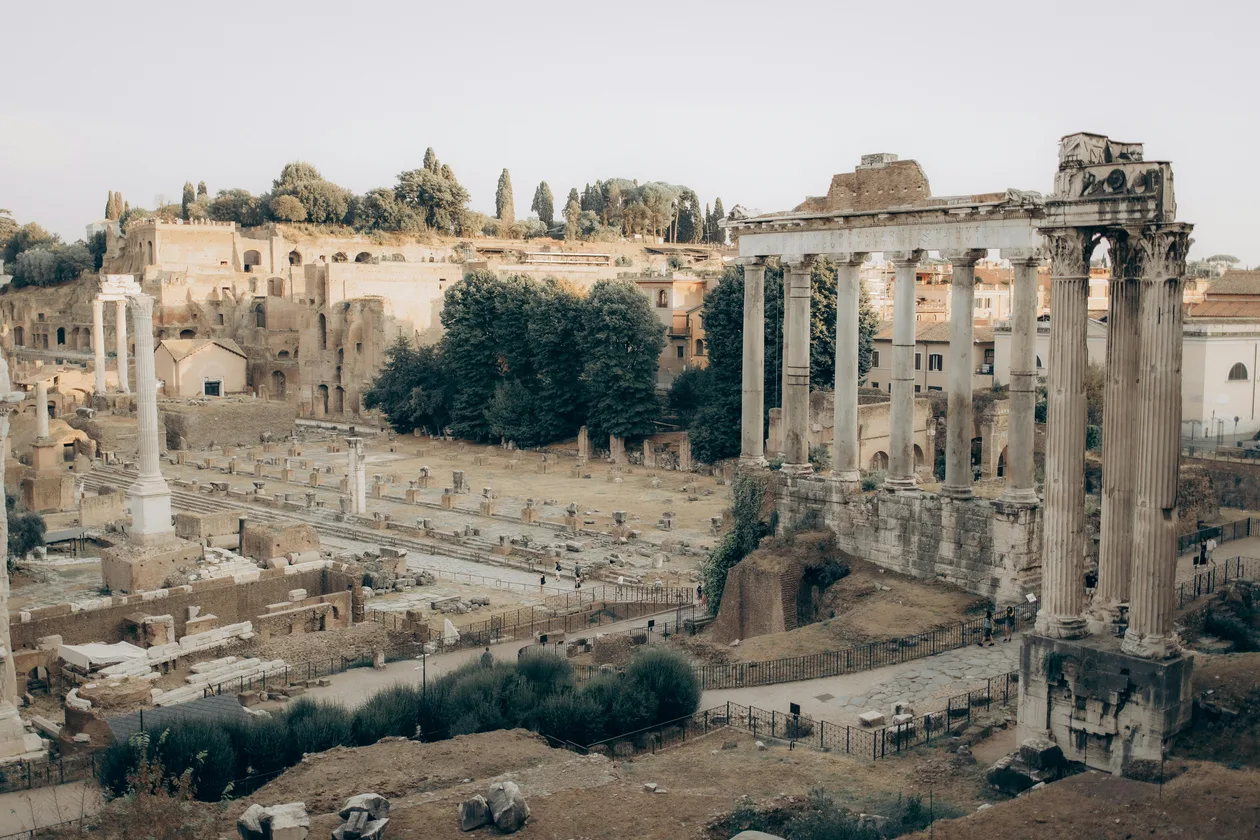
Most 3-day Rome itineraries pack in so much that by day two you are eating a bad panini on the steps of some church because you are too exhausted to find a real restaurant. This itinerary is built around pacing: one major site per morning, a neighbourhood to explore in the afternoon, and a dinner area worth walking to. Three days, no burnout.
Only have one day? Two options: the Vatican and Colosseum in one day playbook if you want ancient Rome included, or our Rome museums in one day itinerary for an art-only pacing. Have a full week? Our one week in Rome 7-day itinerary expands this route with Trastevere, Testaccio, Aventino, and a day trip.
Before you go: what to book and when
This is the part that actually matters. Miss the booking windows and your itinerary falls apart.
60 days ahead: Vatican Museums. Book the first available slot (8-9 AM). €25 online (€20 plus a €5 booking fee). See our Vatican tickets guide for the full breakdown. Backup: GetYourGuide skip-the-line Vatican + Sistine when the official site is sold out.
About 6 weeks ahead: Borghese Gallery. Tickets open about 6 weeks ahead and sell out within days in peak season (April to October). €18 at the desk, €20 online. Strict 2-hour time slots, maximum 180 people. Our Borghese tickets guide has the details — or grab a refundable Borghese slot on GetYourGuide if the official slots have gone.
30 days ahead: Colosseum. €18 combo ticket covers the Colosseum, Roman Forum, and Palatine Hill. Pre-booking gives timed entry that skips the ticket line. Our Colosseum tickets guide covers all options; GetYourGuide skip-the-line Colosseum + Forum + Palatine is the easiest refundable alternative.
Low-cost but needs booking: Pantheon (€7 online, mandatory reservation). No booking needed: Capitoline Museums (€15), churches, piazzas, neighbourhoods.
Day 1: Vatican and Prati
Morning (8 AM - 1 PM). Vatican Museums and Sistine Chapel. Arrive 15 minutes before your timed slot. The galleries take 2-3 hours depending on pace. The Sistine Chapel is near the end of the route. After the Chapel, exit into St. Peter's Basilica (free, no separate ticket). If you have energy, climb the dome (€8 with lift, 320 steps remaining) for the best aerial view of Rome.
Lunch. Walk into the Prati neighbourhood, just north of the Vatican walls. Bonci's Pizzarium serves what many consider Rome's best pizza al taglio (by weight, €3-5 for a generous portion). Dino e Toni is a no-frills trattoria with solid Roman pasta. Budget €12-20.
Afternoon. Castel Sant'Angelo is a 10-minute walk from St. Peter's Square. Worth the visit if you have energy left. Otherwise, cross the Tiber and walk to Piazza Navona. Sit in a cafe. You have earned it.
Dinner. Stay in the Centro Storico. The streets between Piazza Navona and the Pantheon have restaurants at every turn. Avoid anything with photos on the menu or a waiter standing outside.
Day 2: Colosseum, Forum, and Trastevere
Morning (8:30 AM - 12:30 PM). Colosseum first (security queues are shortest early). Allow 60-90 minutes inside. Then walk directly into the Roman Forum and Palatine Hill (same ticket, connected entrance). Most visitors skip Palatine Hill. Do not skip it. The gardens are quiet, the views are the best in the area, and the Farnese Gardens are worth the climb. Total: 3-4 hours for all three.
Upgrade to consider: if the gladiator tunnels and arena floor are the reason you came, swap the standard ticket for the guided underground tour (from €70 · 4.5★). Same morning window, same Forum + Palatine access, and the hypogeum is the version of the Colosseum most visitors never see. Check the option name before paying: two of the four this listing sells go nowhere near the undergrounds. Full tradeoff in our underground guide.
Lunch. Walk 10 minutes to Monti, the closest residential neighbourhood to the Colosseum. La Taverna dei Monti does a proper cacio e pepe. Fatamorgana has some of Rome's best gelato. Budget €15-25.
Afternoon. Two options. The Capitoline Museums (€15, our guide) are a 10-minute walk from the Forum and hold the original Marcus Aurelius bronze, Caravaggio's Fortune Teller, and the Dying Gaul. Or skip the museum, walk to the Pantheon (€7, book ahead), and spend the afternoon drifting through the streets around Piazza della Rotonda and Campo de' Fiori.
Dinner. Trastevere. Cross the Tiber and walk the cobblestone streets until something looks right. Da Enzo al 29 for carbonara and cacio e pepe (expect a queue). Tonnarello is the easier backup. Budget €20-35.
Day 3: Borghese Gallery and the rest
Morning (9 or 11 AM slot). Borghese Gallery. Two hours, strictly timed. Bernini's Apollo and Daphne, Caravaggio's Boy with a Basket of Fruit, Canova's Pauline Bonaparte. The collection is small enough to see everything without rushing. After your slot, walk through Villa Borghese gardens. Rent a rowboat on the lake or walk to the Pincio terrace for a view over Piazza del Popolo.
Lunch. Walk down to the Spanish Steps area. The streets between Via del Corso and Via del Babuino have cafés and restaurants at every price point. Or walk 15 minutes south to Monti for a repeat visit.
Afternoon. Choose your ending. Art lovers: San Luigi dei Francesi (free Caravaggios, details here), then Santa Maria del Popolo for two more. Food lovers: take the metro to Testaccio, explore the market (open until 3:30 PM), and eat a porchetta sandwich at Mordi e Vai. Neighbourhood lovers: walk Trastevere in daylight, climb Gianicolo Hill for the sunset view over the city.
Dinner. Wherever you end up. Testaccio if you went there for the afternoon. Trastevere if you climbed Gianicolo. Monti if you want somewhere quieter.
If you have a 4th day
Add one of these: the Appian Way and its catacombs (rent a bike, ride past ancient tombs and aqueducts), a day trip to Pompeii by fast train (70 minutes to Naples), or a slow morning in Testaccio followed by the Aventine Keyhole and the Protestant Cemetery. If you prefer not to handle train logistics, the guided Pompeii day trip from Rome bundles transport, entry, and archaeologist guide in one — the easiest way to see the site without planning.
Budget breakdown (per person, 3 days)
| Item | Budget | Mid-range |
|---|---|---|
| Museums | €70 (Vatican + Colosseum + Borghese + Pantheon) | €95 (+Capitoline, +dome) |
| Transport | €18 (72h public transport ticket) | €18 |
| Food (3 days) | €75-105 (€25-35/day) | €150-210 (€50-70/day) |
| Hotel (3 nights) | €120-180 (hostel/budget) | €240-360 (3-star) |
| Total | €283-373 | €503-683 |
Quick reference
- Day 1
- Vatican (8 AM) → Prati lunch → Castel Sant'Angelo or Piazza Navona
- Day 2
- Colosseum (8:30 AM) → Forum → Palatine → Monti lunch → Capitoline or Pantheon → Trastevere dinner
- Day 3
- Borghese (morning slot) → Villa Borghese → Caravaggio churches or Testaccio
- 72h Roma Pass
- €62.90 (2 free entries + transport). Only worth it with two or three extra discounted sites.
- Total museum cost
- €70-95 depending on extras
Book Vatican 60 days ahead, Borghese about 6 weeks, Colosseum 30 days. Everything else is walk-in.
Last verified: April 2026
Frequently asked questions
What should I book before a 3-day Rome trip?
Vatican Museums 60 days ahead (first morning slot). Borghese Gallery as soon as tickets open (about 6 weeks ahead, sells out in peak season). Colosseum 30 days ahead. Everything else can be walked into. Hotel in Centro Storico, Monti, or Trastevere for walkability.
How much does 3 days in Rome cost?
Museum tickets total about €105 (Vatican €25 online, Colosseum €18, Borghese €20 online, Capitoline €15, Pantheon €7, transport pass €22). Add €50-70 per day for food (mid-range). Budget hotels run €80-120 per night. A mid-range 3-day trip costs roughly €450-650 per person excluding flights.
Is the Roma Pass worth it for 3 days?
The 72-hour Roma Pass (€62.90) includes 2 free entries and unlimited transport. On this itinerary the two priciest eligible sites are the Colosseum (€18) and Borghese (€18); with a 72-hour transport ticket (€18) that comes to €54, so the pass only pays off if you add two or three discounted sites. It does not include the Vatican Museums. See the Roma Pass math.
What is the best neighbourhood to stay in Rome for 3 days?
Centro Storico for walkability to piazzas and the Pantheon. Monti for a local feel near the Colosseum. Trastevere for evening atmosphere and restaurants. Prati for Vatican access. Avoid Termini station area unless on a tight budget.
What if I have a full week in Rome?
Days 1-3 follow this itinerary. Add: Day 4 Capitoline Museums + Pantheon area, Day 5 Trastevere + Janiculum, Day 6 Testaccio + Aventino, Day 7 day trip (Tivoli or Ostia Antica). See our one week in Rome itinerary for the full route.
For the full list of experiences beyond this itinerary, see our things to do in Rome guide. For museum-specific routes, start with best art museums in Rome. If you have a fourth day or want to break up the museum days, wine tours from Rome get you to Frascati in 30 minutes by train. Want to eat your way through Trastevere or Testaccio between museum days? Our Rome food tours guide covers which neighbourhood format delivers the most for your time. If you'd rather cook than eat, the best cooking classes in Rome compares Trastevere pasta workshops, Roman pizza technique, and Frascati countryside combos. For a broader overview beyond the museums, Travelandoo's Rome travel guide covers what to see and do across the city.
- Things to Do in Rome
- Vatican Museums Tickets 2026
- Colosseum Tickets 2026
- Borghese Gallery Tickets 2026
- Free Museums in Rome 2026