Best Cooking Classes in Rome 2026: Pasta, Pizza & Trastevere Workshops
From €49 pasta and tiramisu by the Vatican to half-day Frascati countryside classes with vineyard lunch. Plus Cookly's 4.99★ catalogue and the DIY market alternative.
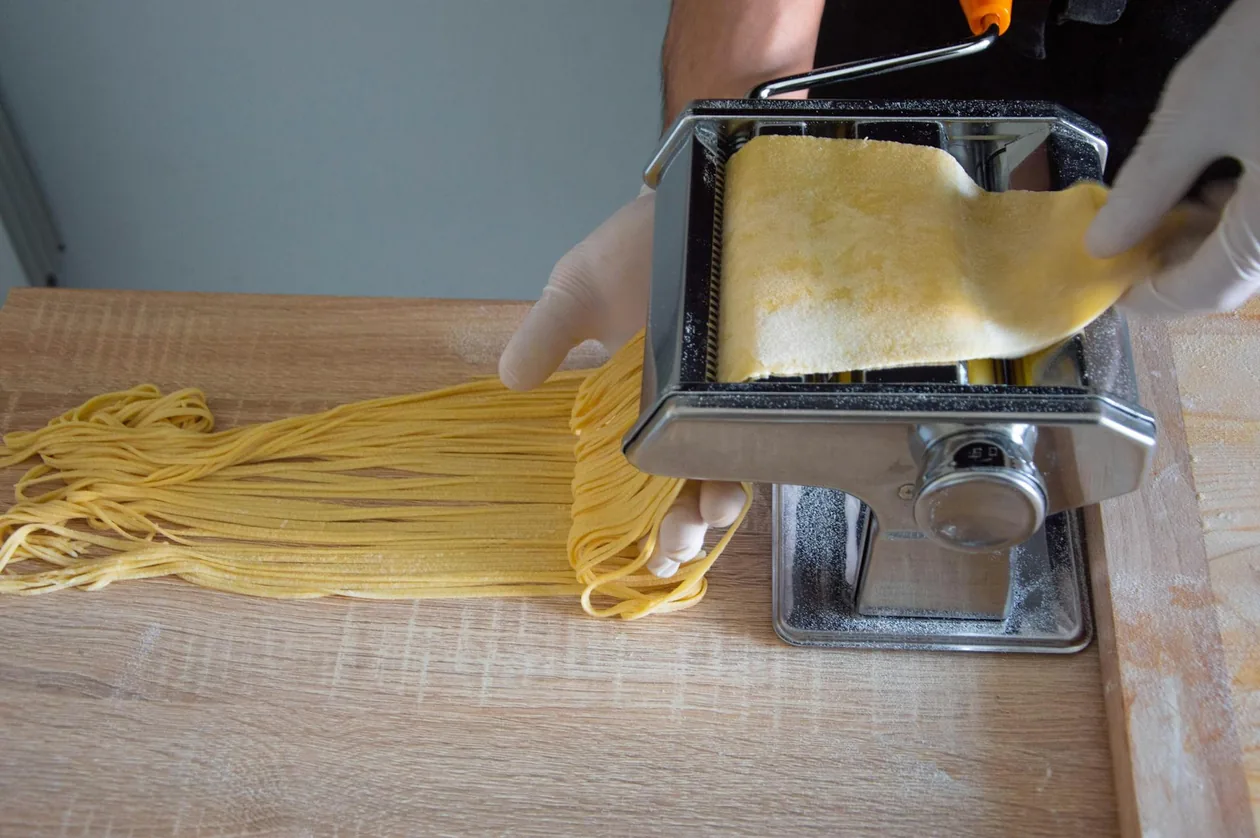
A cooking class in Rome is 3-4 hours of standing in a small kitchen with a professional chef, learning why your pasta has been wrong your whole life. You walk out with calloused hands, a full stomach, and a working understanding of sofrito and the right way to handle fresh ravioli. The good classes in Trastevere run €70-115. The premium half-day formats with a market visit and a four-course meal touch €130. Whether it is worth the money depends on how often you cook at home — and how much you want to leave Rome able to make a proper plate of cacio e pepe.
What to expect from a Roman cooking class
Most classes follow a similar arc: meet near a metro stop in Trastevere or the centro storico, walk to a small private kitchen, prepare 2-4 dishes with a chef, and sit down to eat what you made with wine included. Sessions last 2.5-4 hours. The standard menu is fresh pasta (fettuccine + ravioli) plus tiramisu or panna cotta. Pizza-specific classes substitute Roman thin-crust technique. Group sizes cap at 12-14 on the better operators, smaller on private formats.
Expect the chef to talk about water-to-flour ratios, why you should never break spaghetti, and what the socarrat-equivalent in pasta is (it is the al dente bite, fought for with timing). Most classes include 2-3 glasses of wine. You will eat enough to skip dinner.
Where to book
Our take: GetYourGuide covers the Trastevere group classes with free cancellation; cross-check Cookly for the specialist catalogue.
Best cooking classes in Rome
Pasta & Tiramisu by the Vatican (€49, GetYourGuide). The most-reviewed cooking class in the city on GetYourGuide: 4.9★ across 7,417 reviews. Two and a half to three hours, handmade pasta and tiramisu, free-flowing wine and prosecco, and a sit-down meal in a working restaurant near the Vatican. English only, hotel pickup included, free cancellation up to 24 hours before. It undercuts the Trastevere schools by €20 to €60 and carries more verified reviews than any of them, which is the argument for booking it first and treating the boutique operators as the upgrade. Book the pasta and tiramisu class by the Vatican.
Walks of Italy Pasta Class (Trastevere, €89-115). A purpose-built cooking school on a Trastevere cobbled street, run by Walks of Italy with professional chefs and groups capped at 14. Fettuccine and ravioli from scratch, a sauce, and a sit-down meal with wine. The format is hands-on without being slow — every participant rolls their own pasta. Strong reviews on TripAdvisor with consistent guide names mentioned. Compare cooking classes on GetYourGuide.
Eating Europe Trastevere Pasta Making (Trastevere, €85-110). Hands-on pasta class focused on fettuccine and ravioli. Walking distance from Piazza di Santa Maria. The Eating Europe brand has more than a decade of consistent reviews across food and cooking experiences. Their format leans slightly more educational than Walks of Italy — slightly more time on technique, slightly less on volume of dishes.
Chef Andrea's Trastevere Class (private feel, €100-130). Five-hour session with mixed groups of around 8 people. Includes a 4-course sit-down meal at the end. The longest format in the city — the price reflects time and food cost. Recommended on Reddit threads and the Rick Steves forum for visitors who want a relaxed afternoon, not a fast-paced class.
Walks of Italy Pizza Class (Trastevere, €89). A 2.5-hour class focused entirely on Roman pizza technique. Roman thin-crust differs from Neapolitan: lower hydration, longer cold-ferment, crispier base. The class makes the distinction explicit. Worth it if pizza is the dish you actually want to learn — pasta classes touch on it but do not teach the technique.
Frascati Countryside Combo (€120-160). Half-day classes outside the city that combine pasta making with a Castelli Romani winery visit and lunch in a farmhouse. Pickup from Rome included. Listed on Cookly and several boutique operators. The right pick if you have a half day to spare and would otherwise be choosing between a wine tour and a cooking class — this format combines both.
Roma Pizza & Pasta School (budget, €70-85). A more affordable group format with friendly instructors and a focus on the basics. Reviews highlight engaged staff and a less polished but more relaxed setting than Walks of Italy. The right pick for a first-time cooking class on a tighter budget.
For the full Rome catalogue across providers and formats, the specialist platform Cookly lists 50+ Rome classes with a 4.99★ average across 900+ verified reviews — see where to book a cooking class abroad for how it compares with GetYourGuide.
Which cooking class should you pick?
For the most reviews at the lowest price. The pasta and tiramisu class by the Vatican. 4.9★ across 7,417 reviews at €49, English only, and it sits on the right side of the river to pair with a Vatican Museums morning.
For first-time visitors. Walks of Italy Trastevere pasta class. The format is the most consistent, the kitchen is purpose-built, and you finish with both fettuccine and ravioli technique.
For couples or a romantic afternoon. Chef Andrea's five-hour class. The slower pace, smaller group, and four-course sit-down meal turn it into a date rather than a workshop.
For pizza specifically. Walks of Italy pizza class. Pasta classes touch on pizza but do not teach Roman thin-crust properly.
For families with kids over 6. Walks of Italy or Eating Europe — both run family-friendly Trastevere pasta sessions. For younger kids, book private.
For visitors who want wine country plus cooking. Frascati countryside combo. One half-day covers a vineyard and a kitchen.
For solo travellers on a tighter budget. Roma Pizza & Pasta School. The social energy of a shared kitchen makes it work better solo than the slower, smaller formats.
The DIY alternative: cook from a Roman market
Cooking classes are about technique. If you already know how to roll pasta and just want the experience of cooking in Rome with Roman ingredients, skip the class and shop a market.
Mercato Trionfale (Prati, near Vatican) is the largest covered market in Rome — 270+ stalls, working neighbourhood, fish counters and pasta vendors that locals use. Open Monday-Saturday mornings.
Mercato di Testaccio is more compact and less touristy than Campo de' Fiori. The fresh pasta vendor at stand 65 sells handmade tonnarelli for €4-6 a portion. Cheese, prosciutto, and seasonal produce all in one stop.
Campo de' Fiori is central but tourist-priced. Useful for one-stop ingredient buying if you are short on time, less useful as a working market.
If you have a kitchen at your accommodation (most Airbnb rentals do), €25-30 of market ingredients gets you a full Roman dinner for two. That is a quarter of what a class costs. What you lose: the technique. What you gain: the freedom to cook what is actually in season that week.
What do most visitors wish they had known about cooking classes in Rome?
Trastevere is the default for a reason. Almost every well-reviewed class is in Trastevere. The neighbourhood has the right kitchens, the right walking distance from where you are likely staying, and the right post-class atmosphere — bars and trattorie open late if you want to keep the night going. Centro storico classes exist but have less concentration of quality operators.
Morning classes beat afternoon ones. Markets are fresher, kitchens are cooler, and the chef has more energy. Afternoon classes work fine for visitors who want to combine with a morning museum, but if you have the option, take the 10 AM slot.
Cookly is a useful aggregator for cooking specifically. GetYourGuide has the volume and free cancellation; Cookly has tighter editorial curation for cooking classes specifically. Cross-check both before booking — sometimes the same class is cheaper on one platform than the other. We compare the platforms in full in where to book a cooking class abroad.
Wine is included on most classes, but not unlimited. Two to three glasses is standard. If you want a wine pairing dinner experience, book a separate wine tasting in Rome — the formats are different.
Avoid classes that promise "everything from antipasto to dolce" in 2 hours. That pace either skips the technique or skips the eating. Three hours minimum for a proper hands-on class.
If you are planning the broader Rome day, see our Rome 3-day itinerary for how a morning cooking class fits between a museum afternoon and dinner. For other ways to eat and drink your way through Rome, things to do in Rome covers food markets, tapas equivalents, and gelato runs.
Practical info
- Pasta & tiramisu (Vatican)
- GetYourGuide · €49 · 2.5-3h · 4.9★, 7,417 reviews
- Pasta class (Trastevere)
- €85-115/person · 3-4 hours · 2-4 dishes + wine
- Pizza class
- €89/person · 2.5 hours · Roman thin-crust technique
- Half-day with 4-course meal
- €100-130/person · 4-5 hours · sit-down format
- Frascati countryside combo
- €120-160/person · half-day · pasta + winery + lunch
- Private class
- €200-450/group · custom pace, family-friendly
- Best time
- Morning slots (10 AM) — fresher markets, cooler kitchens
- Book on
- GetYourGuide · Cookly (50+ classes) · Walks of Italy · Eating Europe · Viator (countryside day trip)
Prices vary by operator, season, and group size. Book at least one week ahead in summer, two weeks for premium half-day classes.
Last verified: April 2026
Frequently asked questions
How much do cooking classes in Rome cost?
Group pasta and pizza classes run €49-115 for 2.5-4 hours. Half-day classes in Trastevere with a 4-course meal and wine cost €100-130. Frascati countryside classes that combine pasta making with a vineyard lunch run €120-160. Private classes for couples or families cost €200-450 depending on group size and format.
Which cooking class in Rome is best for first-time visitors?
A Trastevere pasta class with Walks of Italy or Eating Europe is the safest first choice: small group, hands-on fettuccine and ravioli from scratch, English instruction, and a sit-down meal at the end. Both run regularly and have hundreds of consistent reviews.
Are Roman cooking classes worth the price?
For 3-4 hours of hands-on instruction with ingredients, wine, and a meal you cook and eat, €90-115 is reasonable. The case for paying it: you walk out knowing how to make fresh pasta, understand sofrito and socarrat, and can navigate Italian markets. The case against: if you already cook regularly, a market tour with a guide may give you more for less.
Can you do a cooking class in Rome with kids?
Most providers accept children over 6 in regular group classes. Walks of Italy and Eating Europe both run family-friendly Trastevere pasta classes that work for kids who can handle a rolling pin. For younger children, a private class is better — the chef can adjust pace and tasks.
If you are eating your way through Rome, pair a morning cooking class with an afternoon at the Vatican Museums or a wine tasting via our best wine tours in Rome. Plan the broader stay with our Rome 3-day itinerary.
- Best Wine Tours in Rome 2026
- Rome 3-Day Itinerary
- Things to Do in Rome
- Best Art Museums in Rome
- Rome in 3 Days: Itinerary