Rome by Month: What to Do and When to Visit (2026)
Easter crowds in April, empty museums in January, rooftop aperitivo in June, Christmas markets in December. What Rome looks like each month.
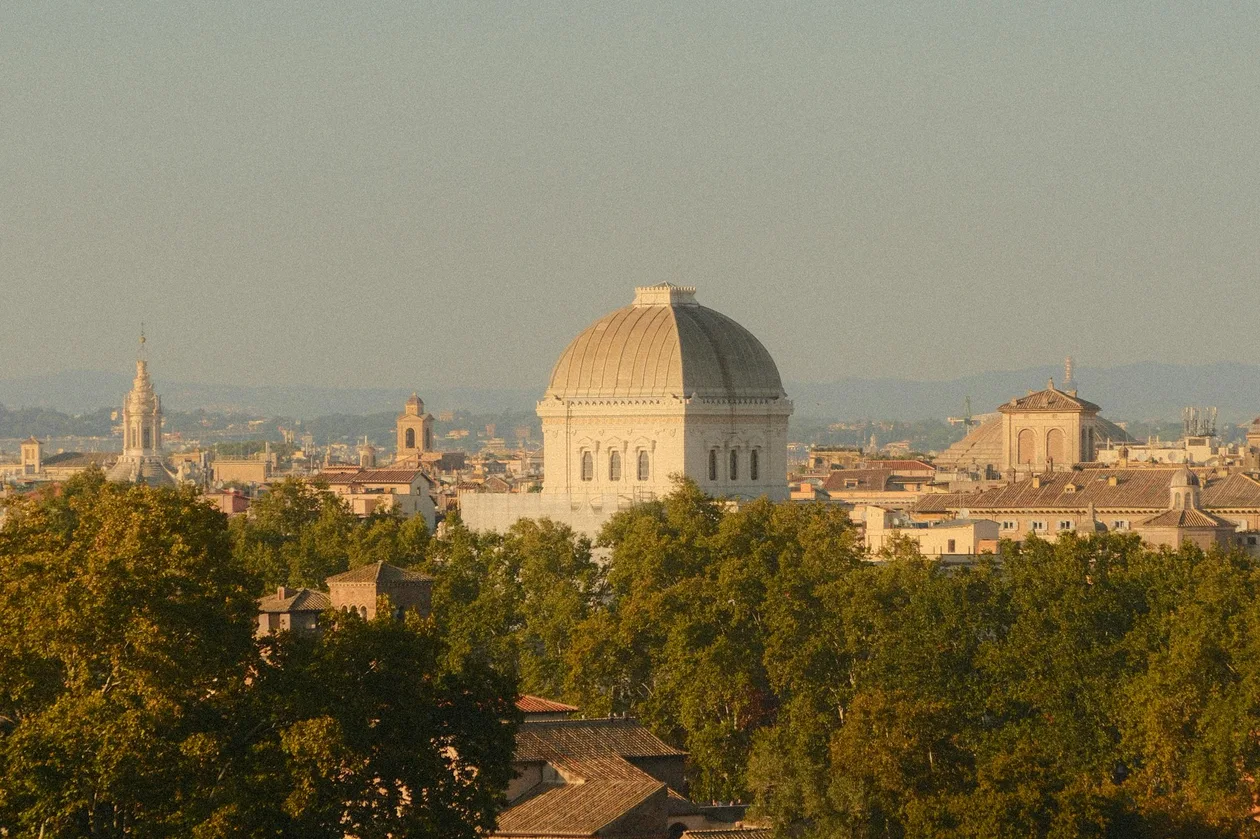
Rome is a year-round destination, but the experience changes dramatically by season. January's empty Vatican corridors have nothing in common with August's sweating queues at the Colosseum. Here is what each season delivers.
Spring (March to May)
March. Cool, sometimes rainy (12-18°C). Fewer tourists than April. Good for museums. Hotels at mid-range prices. Wisteria starts blooming on terraces and ruins.
April. Easter week brings massive crowds to St. Peter's and the Vatican. After Easter, the city settles into ideal conditions: 15-22°C, long light, everything open. Book Vatican and Borghese well ahead. The Rome Marathon runs in April.
May. Warm (20-28°C), busy, and beautiful. Roses bloom in the municipal garden on Aventine Hill. Outdoor dining at its best. Hotel prices climb. Still manageable at museums if you book timed entries.
Summer (June to August)
June. The last comfortable month for walking (25-32°C). San Giovanni festival (June 23-24) fills the Basilica area with concerts and porchetta. Outdoor cinema season starts at various locations.
July. Hot (32-38°C). Locals begin leaving. Tourist crowds persist at major sites. Museums are air-conditioned refuges. Rooftop bars and aperitivo terraces are in full swing. The Estate Romana festival brings outdoor concerts, cinema, and performances to parks and piazzas.
August. The hottest month (35°C+). Many local restaurants and shops close for Ferragosto (August 15). International tourists peak. The Vatican is packed. The Colosseum queue is at its worst. Strategy: museums before 10 AM, long lunch indoors, Trastevere after 7 PM. Hotels are surprisingly expensive. If the Colosseum is on your list, see our best time to visit the Colosseum guide — the 08:30 slot and Tuesday/Thursday night tours are the only sane options in August.
Autumn (September to November)
September. Romans return. Temperature drops to 25-30°C. Cultural season restarts. New exhibitions open. A sweet spot for museum visits with fewer tourists than summer.
October. The other best month. Comfortable walking weather (18-24°C), autumn light on the ruins, outdoor markets with seasonal produce. RomaEuropa Festival (performing arts) runs through autumn.
November. Cooler (10-16°C), shorter days, thinner crowds. Hotel prices drop. Rain is more frequent. Museum-heavy itineraries work well. The city feels local.
Winter (December to February)
December. Christmas at the Vatican is an event. Midnight mass on Christmas Eve at St. Peter's requires free tickets from the Prefecture (arrange months ahead). Piazza Navona hosts a Christmas market through early January. Via del Corso lights up. Museums are open and quiet.
January. The quietest month. Hotels at their cheapest. The Vatican Museums on a Tuesday morning in January can feel nearly private. Cold but sunny (5-12°C). Days are short (dark by 5 PM). Sales season in shops.
February. Still quiet. Carnival events appear (smaller than Venice, but present). Temperature starts climbing. Almond trees begin blooming in the gardens. A good month for a focused museum trip.
When to visit for what
| Priority | Best months | Why |
|---|---|---|
| Art museums | Jan-Feb, Nov | Shortest queues, best availability |
| Walking and ruins | Apr (post-Easter), Oct | Best weather, longest light |
| Food and atmosphere | May-Jun, Sep-Oct | Outdoor dining, full city |
| Budget | Jan-Feb, Nov | Hotels 30-40% cheaper |
| Photography | Oct-Nov, Apr | Autumn light and spring blossoms |
Quick reference
- Best overall month
- October (weather, crowds, culture)
- Best for museums
- January-February (empty)
- Cheapest hotels
- January, February, November
- Hottest month
- August (35°C+, crowded)
- Easter crowds
- April (Holy Week). Book everything early.
Weather varies year to year. These are typical ranges.
Last verified: April 2026
Frequently asked questions
What is the best month to visit Rome?
April (after Easter) and October. Both have comfortable walking weather (18-25°C), manageable crowds, and all sites open. May is excellent but more expensive. November and January are the quietest and cheapest months.
Is Rome too hot in summer?
July and August regularly hit 35°C+. Locals leave, tourist sites are crowded, and walking is exhausting by midday. Morning museums and evening Trastevere dinners are the strategy. Hotels are surprisingly expensive in August despite the heat.
When is Rome cheapest to visit?
January and February have the lowest hotel prices and shortest queues. November is also affordable. The trade-off: shorter days and some outdoor sites close earlier. But museums are warm and nearly empty.
What happens in Rome at Christmas?
Piazza Navona Christmas market runs through December and early January. Vatican midnight mass on Christmas Eve (free, but tickets required). Nativity scenes across the city. Christmas lights along Via del Corso. January 6 brings La Befana celebrations.
For what to do once you arrive, see our things to do in Rome guide, plan your days with the 3-day Rome itinerary, or check our free museums in Rome guide for every free entry day.
- Things to Do in Rome
- Free Things to Do in Rome
- Rome 3-Day Itinerary
- Best Art Museums in Rome
- Vatican Museums Tickets 2026

Or skip the planning: I'll do it for you
Send me your dates. I’ll plan which museum goes on which day, around closures, free days and timed entries, and check every date against the official museum sites myself. In your inbox the same day.
 Planned by Adrià, who writes these guides