8 Best Museums in London: Ranked by What's Worth Your Time (2026)
London has more free world-class museums than any other city in Europe. Here's which ones actually deserve your afternoon, ranked with honest verdicts.
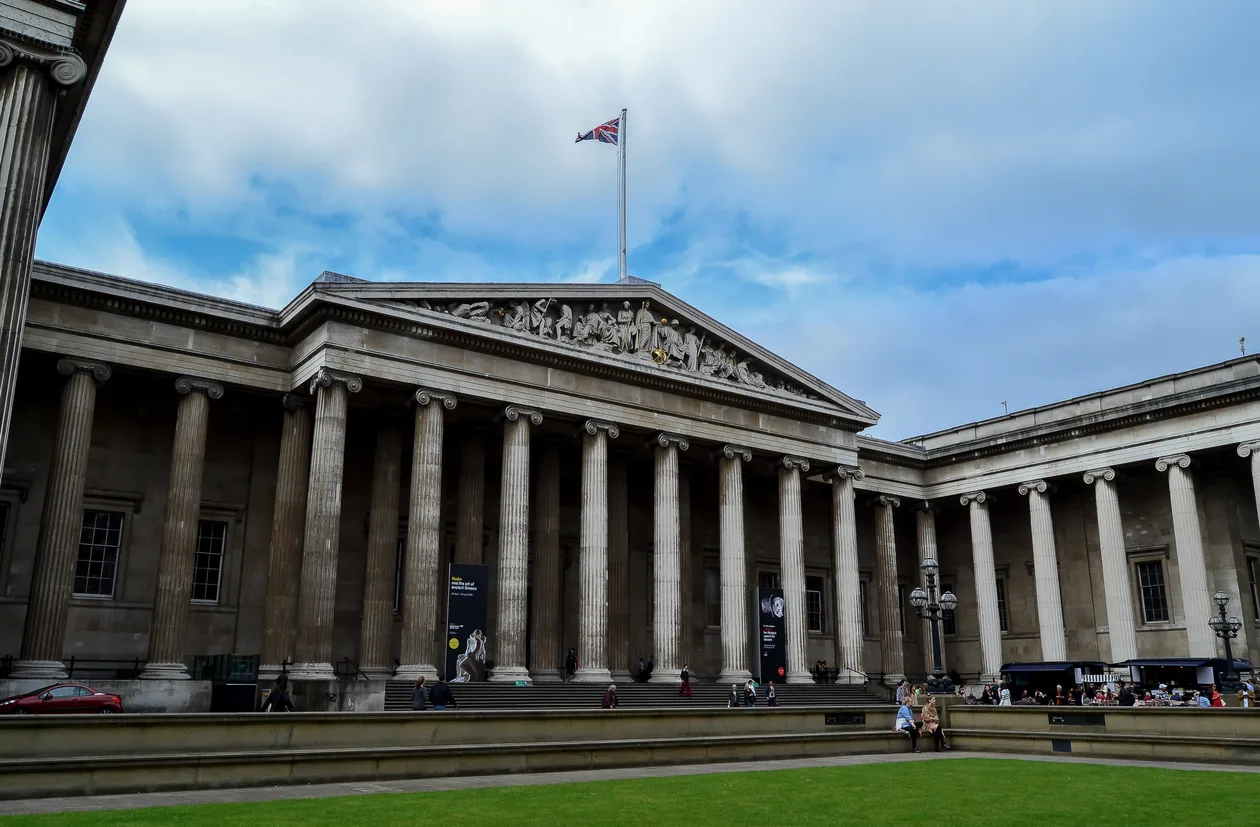
London has more free world-class museums than any other city in Europe. That sounds like good news until you're standing in Trafalgar Square with three museums within a ten-minute walk and six hours to kill.
You can't do them all. Nobody should try. Here's the honest ranking of the eight museums worth your time, and which ones you can skip without regret.
In 3 minutes, you'll know:
- Which museums deserve full visits and which work as quick stops
- How to pair them without burning out
- Where the paid museums beat the free ones (it happens)
Must-see museums in London
Eight museums worth your time, ranked with honest verdicts — no tourist-trap picks.
1. British Museum — the one you don't skip
What: 50,000 objects from every civilisation, spread across 60 galleries. The Rosetta Stone, the Parthenon sculptures, Egyptian mummies, Sutton Hoo, the Lewis Chessmen. 1759 founding, still the most visited museum in the UK. Tickets: Free. Some special exhibitions £18-22. Book a guided tour on GetYourGuide if you want structure (1.5-2 hours with a guide). Time needed: 2-3 hours for highlights. Half a day for anyone who cares about ancient history. Best for: Everyone. First-timers, history fans, families.
Start on the ground floor with the Egyptian sculpture gallery (Room 4) — the Rosetta Stone is the first thing everyone wants to see, and it's swarmed by 11 AM. Then go straight to the Parthenon sculptures (Room 18), which most visitors underestimate until they're standing in front of them. The upper floors (Egyptian mummies, Assyrian reliefs) are always less crowded than the ground floor. Friday evenings stay open until 20:30 and are the best time to visit — fewer tour groups, softer lighting. If you're visiting between September 2026 and July 2027, the Bayeux Tapestry is here — the first time it has left Normandy in 1,000 years. Full practical details — 90-minute route, free-entry options, and what to look for at each highlight — in our British Museum guide.
2. National Gallery — the painting one
What: 2,300 paintings from 1250 to 1900. Van Eyck, Leonardo, Caravaggio, Velázquez, Rembrandt, Turner, Van Gogh's Sunflowers. Seven centuries of European art in one building on Trafalgar Square. Tickets: Free. Special exhibitions £20-28. Book a gallery tour on GetYourGuide (combines with British Museum, ~3 hours). Time needed: 1.5-2 hours for the greatest hits. 3 hours if you slow down. Best for: Anyone who likes painting. Period.
Skip the audio guide and walk in through the Sainsbury Wing (the early Italian and Northern Renaissance galleries) — it's quieter and the logical chronological start. The Venetian and Rembrandt rooms are the emotional peaks. Most visitors rush through the 19th-century rooms where Sunflowers hangs — they're worth slowing down for. The gallery is a 7-minute walk from the British Museum, which is why pairing them works.
3. Tate Modern — the contemporary one
What: Britain's national collection of modern and contemporary art, inside a converted power station on the South Bank. Picasso, Rothko, Matisse, Warhol, Louise Bourgeois, plus major contemporary commissions in the Turbine Hall. Tickets: Free. Special exhibitions £18-22. Book a guided highlights tour on GetYourGuide (1-hour expert tour). Time needed: 1.5-2 hours. 3 with a special exhibition. Best for: Anyone who wants art from 1900 to now, and doesn't mind conceptual pieces.
The Turbine Hall alone justifies the walk across the Millennium Bridge — the current commission fills the space in ways photos don't capture. Skip Level 0 and head straight to Levels 2 and 4, where the best of the permanent collection lives. The view from the Blavatnik Building viewing level (Level 10) is the best free skyline view in central London. Stuck choosing between here and Trafalgar Square? National Gallery vs Tate Modern makes the call, including the Friday route that does both. For the full visit guide — Rothko Room, Blavatnik entrance trick, and the Frida Kahlo exhibition opening June 2026 — see Tate Modern London.
4. Victoria and Albert Museum — the design one
What: 2.3 million objects. Decorative arts, fashion, textiles, sculpture, photography, design. Raphael cartoons, Tipu's Tiger, fashion from 1600 to Alexander McQueen. Tickets: Free. Special exhibitions £18-25 (the fashion blockbusters sell out weeks ahead). Time needed: 2-3 hours. Easy to lose half a day if you like design. Best for: Fashion fans, design students, anyone who finds painting museums tiring.
The V&A is the museum most visitors underrate. It's enormous and badly signposted — the map is useless, so pick two or three sections and commit. The cast courts (full-scale plaster replicas of Trajan's Column and Michelangelo's David), the Raphael Cartoons (seven original 1515 paintings, not reproductions), and the jewellery gallery are the three most memorable. The fashion gallery is closed for refurbishment until Autumn 2028. In 2026, the headline exhibition is Schiaparelli: Fashion Becomes Art (ends 1 November, £28–30). See the full V&A guide for tickets and route.
5. Tate Britain — the British art one
What: 500 years of British art in Pimlico. The world's largest Turner collection (the Clore Gallery), plus Hogarth, Gainsborough, Constable, the Pre-Raphaelites, Francis Bacon, Hockney. Tickets: Free. Special exhibitions £18-22. Time needed: 1.5 hours. 2-2.5 if you love Turner. Best for: British art fans, Turner devotees, anyone who's done Tate Modern and wants the other side.
Less crowded than Tate Modern and more coherent as a collection. The Clore Gallery, dedicated entirely to Turner, is the reason to come — his late works are among the most radical paintings in 19th-century Europe. A river boat (Tate to Tate) runs between the two Tates every 40 minutes, which is the best way to combine them without taking the tube. Not sure which one to prioritise? Our Tate Modern vs Tate Britain comparison breaks it down.
6. Natural History Museum — the family one
What: 80 million specimens. The dinosaur gallery, the blue whale skeleton in Hintze Hall, the earthquake simulator, the Wildlife Photographer of the Year exhibition (annual, ticketed). Tickets: Free. Special exhibitions £15-20. Time needed: 2 hours. 3+ with kids. Best for: Families, architecture fans (the building is a Victorian cathedral of science).
Weekends and school holidays are brutal — arrive by 10 AM or skip it. The Hintze Hall blue whale and the dinosaur gallery draw the crowds; the mineral hall (Earth's Treasury) and the Darwin Centre are genuinely calm by comparison. The building itself, by Alfred Waterhouse, is worth a visit even if you don't open a single display case. Full breakdown of free booking, paid exhibitions, and when to go in our Natural History Museum guide.
7. Courtauld Gallery — the hidden one
What: A small but exceptional Impressionist and Post-Impressionist collection inside Somerset House. Manet's A Bar at the Folies-Bergère, Van Gogh's Self-Portrait with Bandaged Ear, Cézanne's card players, plus medieval and Renaissance panels. Tickets: £12 (under 18 free). Not a free museum — and that's the point. Time needed: 1-1.5 hours. Best for: Anyone who wants the quality of the Musée d'Orsay at 20% of the footfall.
The Courtauld is the museum locals mention when tourists complain about crowds. At £14 it's the only paid major museum on this list, and it's worth it — the Impressionist and Post-Impressionist room, on the top floor, has a density of masterpieces most museums would spread across five galleries. Somerset House itself is free to walk through, and the courtyard fountains are a nice 15-minute break before or after.
8. Wallace Collection — the pocket one
What: A single aristocratic collection preserved in a Marylebone townhouse. Frans Hals's Laughing Cavalier, Velázquez, Rembrandt, Fragonard's The Swing, plus armour, porcelain, and 18th-century French furniture. Tickets: Free. Time needed: 1 hour. Best for: Anyone who's done the big museums and wants something human-scale.
This is the museum most tourists never reach, and most locals who do go rate it higher than any of the big free museums. Small, beautifully arranged, and unchanged since 1897 when it was left to the nation. The armour gallery is the only one in central London, and the courtyard restaurant (covered atrium, glass roof) is a lunch spot in its own right.
How to pair them
Two museums per day is the honest limit. Three works if you keep visits short and eat between them.
- Classical morning: British Museum (9:30) → walk to National Gallery (12:30). Lunch at Trafalgar Square.
- South Bank afternoon: Tate Modern (13:00) → river boat to Tate Britain (15:30). See our Tate Modern vs Tate Britain guide to decide how to split your time.
- South Kensington day: V&A (10:00) → Natural History Museum (14:00). Both enormous — don't add a third.
- Quiet day: Courtauld Gallery (10:30) → Wallace Collection (13:30). Two small museums, zero crowd stress.
What do most visitors wish they knew about London museums?
Three things. First, that the free museums get crowded fast — arrive by 10 AM or plan around Friday evenings, when the British Museum and V&A stay open late. Second, that "free entry" doesn't mean "walk straight in" — the British Museum and V&A still require timed entry bookings on their websites, and the queue for walk-ins can be 30-45 minutes at peak times. Third, that the donation boxes exist for a reason — a £5 donation from every visitor would fund most of what the government no longer covers.
- Free museums
- British Museum · National Gallery · Tate Modern · Tate Britain · V&A · Natural History · Science · Imperial War Museum
- Paid (worth it)
- Courtauld Gallery (£14) · Design Museum (£18) · Sir John Soane's Museum (free, tiny)
- Best for first-timers
- British Museum + National Gallery (same afternoon, 7-min walk apart)
- Least crowded
- Wallace Collection · Courtauld · Sir John Soane's Museum
- Disclaimer
- Hours and special exhibition prices change. Confirm on each museum's official site before you go.
Last verified: May 2026
Frequently asked questions
Which is the best museum in London for first-time visitors?
The British Museum. It covers more ground than anything else in London, it's free, and the Rosetta Stone and Parthenon sculptures are the two artefacts most visitors travel to see. If you only visit one London museum, make it this one.
Are London museums really free?
Yes. The British Museum, National Gallery, Tate Modern, Tate Britain, V&A, Natural History Museum, Science Museum, and Imperial War Museum all offer free entry to their permanent collections. Special exhibitions are ticketed separately, usually £12-25.
How many London museums can you do in one day?
Two well, three if you're efficient and don't mind museum fatigue. The National Gallery and British Museum are a 15-minute walk apart and pair well. Tate Modern plus Tate Britain (connected by a river boat) is another natural pairing. Don't try to combine South Kensington museums with anything else — they eat a full afternoon.
What day are London museums least crowded?
Tuesday to Thursday, first hour after opening (10 AM). Avoid weekends, school holidays, and Friday late openings for the British Museum, which draw evening crowds. The Natural History Museum is worst on weekends and during term-time school trips.
What are the must-see museums in London?
The British Museum, National Gallery, and Tate Modern are the three most visitors prioritise. For a focused trip: British Museum for ancient civilisations (free), National Gallery for European painting from 1250 to 1900 (free), V&A for design and fashion (free). All within 30 minutes of each other in central London.
What is the most popular museum in London?
The British Museum is the most visited museum in the UK, with around 5–6 million visitors per year. The Natural History Museum and the National Gallery consistently rank second and third. All three are free.
If you're visiting London for more than a couple of days and want something beyond contemporary and fine art, the Tower of London is the city's main paid historical attraction: Crown Jewels, White Tower armoury, and nine centuries of documented English history on one ticket from £34.80.
Eight museums, one city, and more free art per square mile than anywhere else in Europe. Pick two for your first day, come back for more on your second. Between museum days, the Barbican Conservatory, Walthamstow Wetlands, and six other free experiences go well beyond the major museums. London's food markets are worth a morning too: our guide to London food markets beyond Borough covers Maltby Street, Broadway Market, and four others. If you'd rather walk the city itself, the best walking tours in London compares free Westminster routes, Jack the Ripper East End walks, and skip-the-line tours.
For a cross-Europe view: see the world ranking of 15 best art museums or the monthly tracker of European museum prices.