Tate Modern vs Tate Britain: Which Tate Should You Visit?
Two free museums, completely different collections, and tourists constantly walk into the wrong one. Here's how to pick — or do both on a Friday.
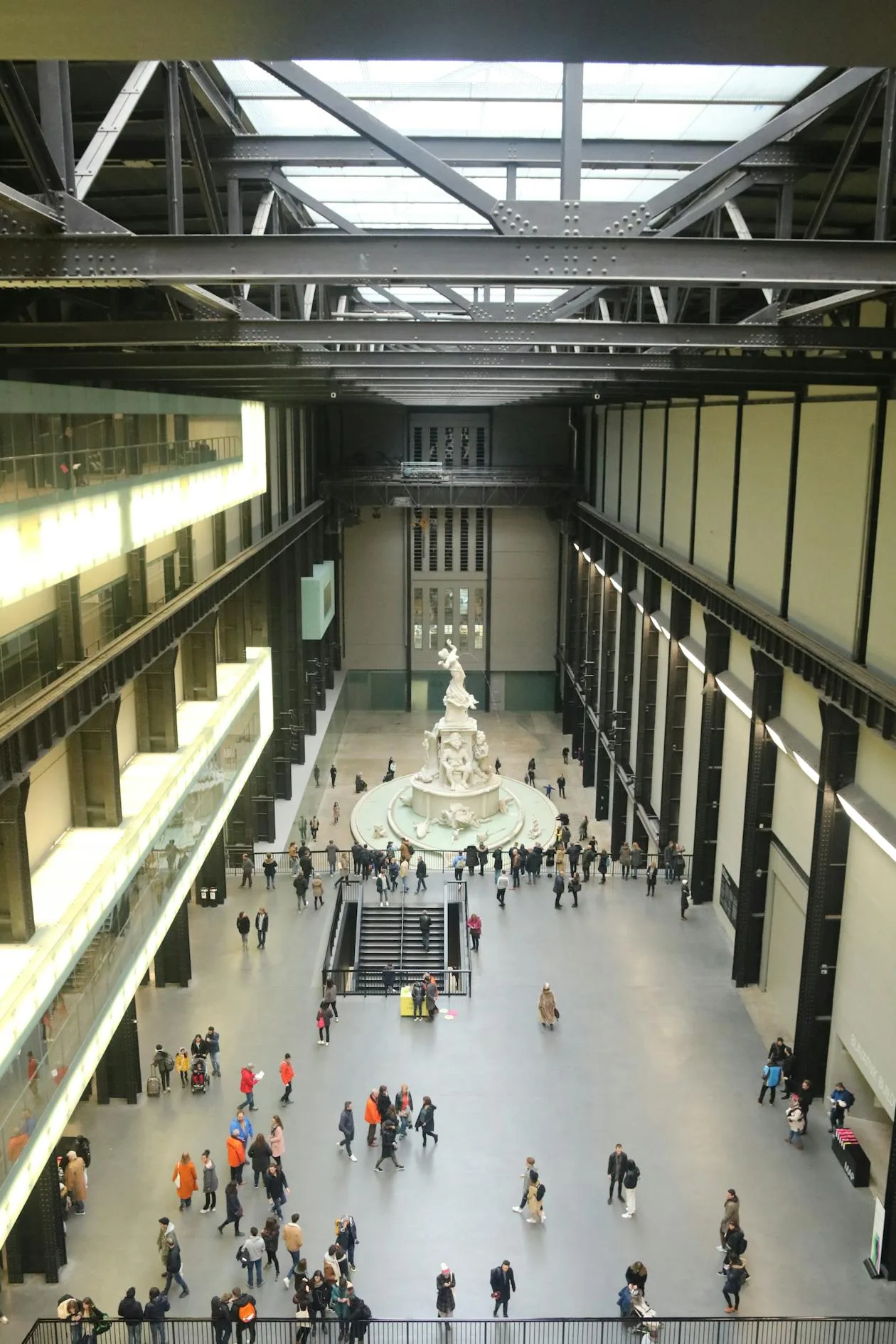
Every week, tourists walk into Tate Modern expecting Old Masters or into Tate Britain expecting Warhol. They're 5 miles apart, named almost identically, and hold completely different art. Both free admission. One is a converted power station. The other a Victorian palace. The tube between them takes 25 minutes (£2.80). They reward different people.
What's the difference between Tate Modern and Tate Britain?
Tate Modern holds international modern and contemporary art from 1900 onward. The collection is organised thematically, not chronologically. Warhol's Marilyn Diptych, Picasso's Weeping Woman, Dalí's Metamorphosis of Narcissus, Lichtenstein's Whaam!, and the Rothko Room — a low-lit space with Seagram Murals that feels like a chapel. The Turbine Hall hosts massive temporary installations. The 10th-floor viewing platform is free and rivals the Shard.
Tate Britain holds British art from 1500 to present, arranged chronologically in a circular layout. Nine rooms of Turner — the largest collection in the world — including unfinished works most visitors don't expect. Millais's Ophelia in Room 10. Sargent's Carnation, Lily, Lily, Rose. Francis Bacon's Three Studies. The Pre-Raphaelites get proper space here. Walk the loop and you move through five centuries of British painting.
How they actually feel
Tate Modern is the event. Buzzy crowd, cathedral-scale Turbine Hall, rooftop views of St Paul's. It can also feel directionless — you stumble between Surrealism and contemporary video without warning.
Tate Britain is the sleeper. Quieter, easier to navigate, and chronological — you follow a story through five centuries. It has a higher average Google rating despite a quarter of the reviews. The visitors who find it tend to love it.
Who should pick which
Pick Tate Modern if you want the building as much as the art, you're on a date (late opening Friday-Saturday, rooftop bar), or you're with kids (spacious, Family Welcome Room on weekends).
Pick Tate Britain if you respond more to landscapes and narrative painting, you're a Turner fan, you value quiet over spectacle, or you've done Tate Modern before.
The Rothko Room exception: if you think you don't like modern art, try the Rothko Room at Tate Modern before you decide. It's dark, still, and emotional. No conceptual puzzles — just colour and scale. Multiple visitors describe it as the one room that changed their mind.
The Friday/Saturday route (do both)
Both museums are free, so even a short visit works. The trick is the hours: Tate Britain always closes at 6 PM. Tate Modern stays open until 9 PM on Fridays and Saturdays.
Start at Tate Britain in the morning (10 AM, Pimlico tube). Spend 1.5-2 hours. Then take the tube to Tate Modern for the afternoon, stay for the late opening, and catch sunset from the 10th-floor platform.
The tube from Pimlico to Southwark takes 25 minutes (£2.80). The Tate Boat is scenic but £14.40 single — hard to justify for the same journey time. If you're choosing between Tate Modern and something across the river instead, our National Gallery vs Tate Modern comparison covers the 1900 cutoff that splits them cleanly.
Frequently asked questions
What is the difference between Tate Modern and Tate Britain?
Tate Modern holds international modern and contemporary art from 1900 onward — Warhol, Picasso, Rothko, Dalí. Tate Britain holds British art from 1500 to present — Turner (9 rooms), Pre-Raphaelites, Hockney, Bacon. Different collections, different buildings, different parts of London.
Can you visit Tate Modern and Tate Britain in one day?
Yes, and Friday or Saturday is ideal. Start at Tate Britain (opens 10 AM, always closes 6 PM), then cross to Tate Modern for the afternoon and evening — it stays open until 9 PM on Fridays and Saturdays. The tube takes about 25 minutes between them.
Which Tate is better for someone who doesn't like modern art?
Tate Britain. The collection runs chronologically through 500 years of British painting — landscapes, portraits, narrative scenes. Millais's Ophelia and the Turner rooms are accessible to anyone. Tate Modern is more polarising and can frustrate visitors without context.
Is Tate Modern or Tate Britain more crowded?
Tate Modern gets roughly four times the visitors. The Turbine Hall and top-floor views draw crowds beyond art fans. Tate Britain is consistently quieter — one of those museums where you can stand alone in front of a painting and nobody rushes you.
Once you've decided on Tate Modern, the Tate Modern visit guide covers the practical side: which entrance to use, where the Rothko Room actually is, and the Frida Kahlo exhibition opening June 2026.
Last verified: June 2026