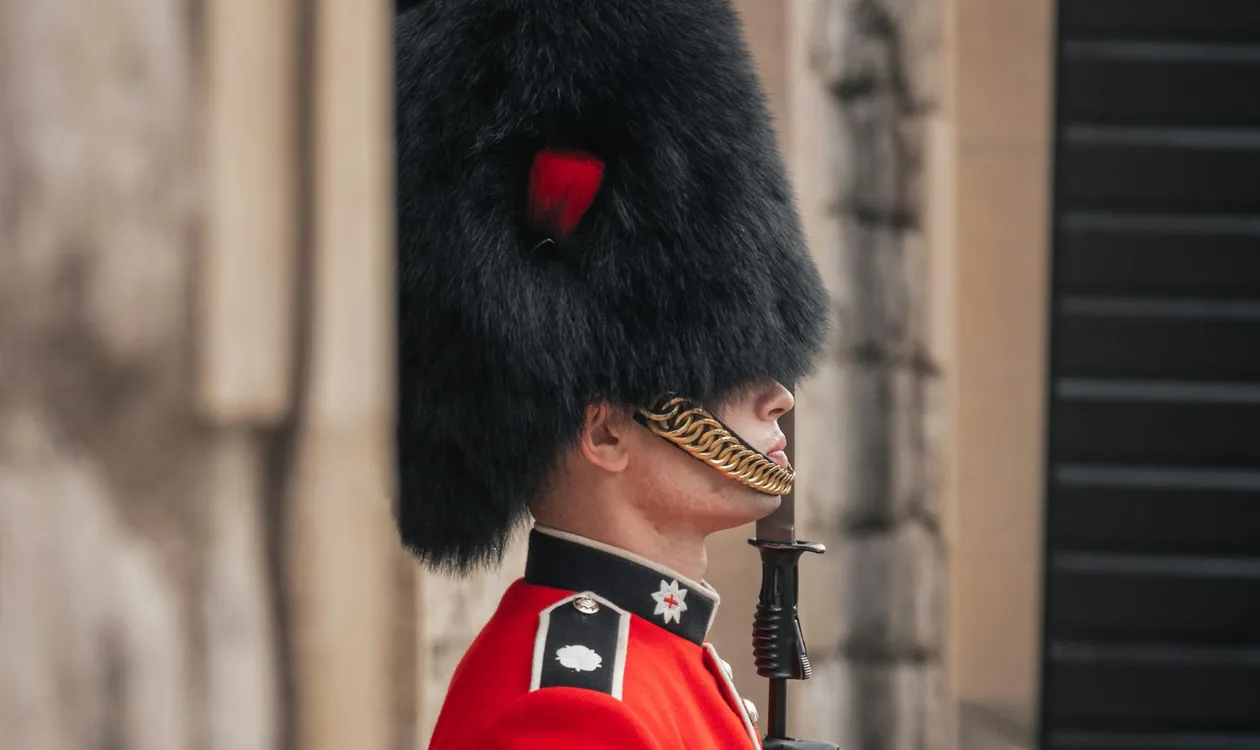
Nine Centuries in a Morning
A section-by-section route through the Crown Jewels, the White Tower, and the parts most visitors never reach.
Get your free guide
Enter your email to unlock the full room-by-room guide. One email unlocks all London museum guides.
Free · No spam · Unsubscribe anytime
Head to the Crown Jewels first — not because the line is short, but because that's the only window where it isn't long.
From the main gate, the Jewel House is a 3-minute walk — follow the signs. Before 10:00 AM the travelator moves without a wait. The Sovereign's Sceptre with Cross, the Imperial State Crown, St. Edward's Crown. These are what people come for, and the window to see them without a crowd is short.
The armoury covers eight centuries of arms and armour — including Henry VIII's tournament armour, waist 129 cm, made when he was 49. Most visitors stop at the lower floors. Go to the top floor. The Chapel of St John the Evangelist, built by William the Conqueror for private royal worship, is one of the best-preserved Norman interiors in England.
The Medieval Palace — refurbished in 2025 — reconstructs the living quarters of Henry III and Edward I with period textiles, colourful wall paintings, and a medieval soundscape. From here, the Wall Walk follows the outer battlements to the Lanthorn Tower. The view of Tower Bridge from the top of the Wall Walk is the best vantage point in this part of London, and few visitors find the entrance.
Tuesday to Saturday the Tower opens at 9 AM — a full hour before the Yeoman Warder tours begin and before the Crown Jewels queue builds. That one-hour window is when the travelator past the crowns runs empty.
Departs every 30 minutes from the main entrance from 10:00 AM. About one hour. Visitors consistently rate it the best part of the visit — the stories are specific, dark, and not in the brochure. You cannot book in advance.
Photography is prohibited inside the Crown Jewels exhibition and the rule is enforced by staff. Put the phone away before entering. The extra attention is worth it — the detail in the crowns rewards it.
High-status prisoners carved their names, heraldic symbols, and prayers into the stone walls here over centuries. Some inscriptions took weeks to complete. Almost nobody goes in.
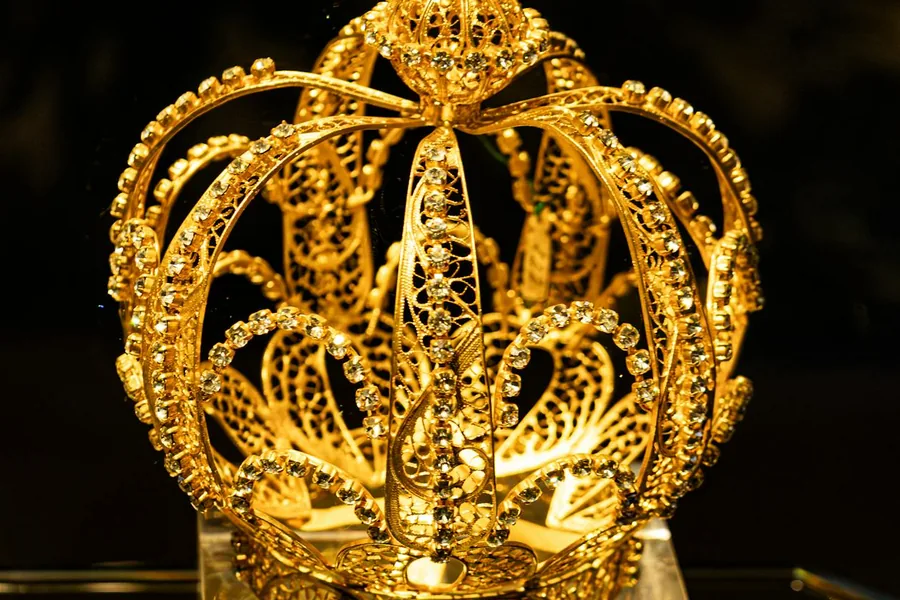
Why it matters: Worn at every State Opening of Parliament. Set with 2,868 diamonds, 17 sapphires, 11 emeralds, 269 pearls, and 4 rubies — including the Black Prince's Ruby worn by Henry V at Agincourt in 1415.
What to notice: The large red stone near the front centre is a spinel, not a ruby. It has been part of the English crown regalia since the 14th century. Examine it separately from the diamonds — it has its own history entirely.
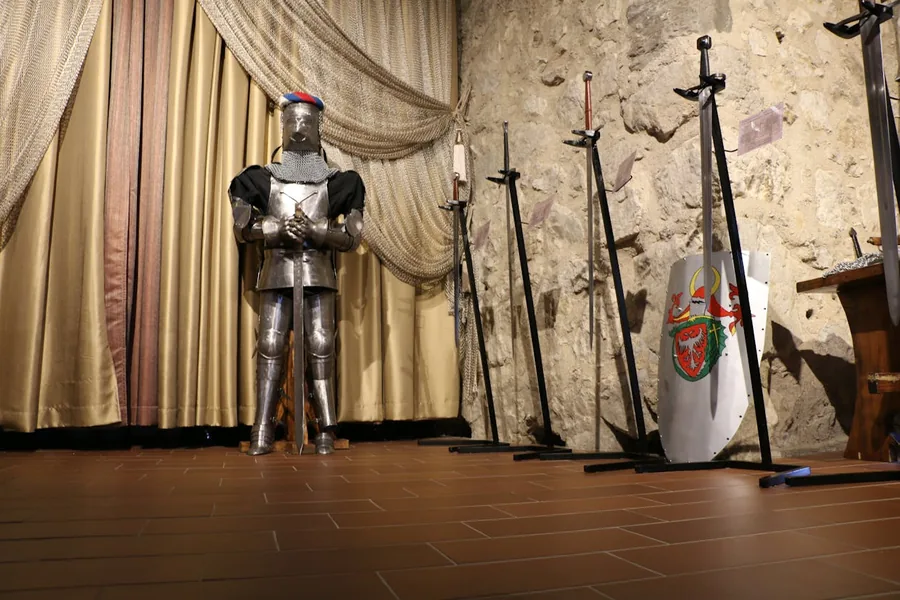
Why it matters: Made when Henry was 49. The waist measurement is 129 cm — the same man came to the throne lean and athletic. The armour documents the physical transformation of a king whose succession and authority were under constant pressure.
What to notice: The codpiece is deliberately large — a calculated statement at a court where his virility was a political question. The armourer knew exactly what was being communicated to everyone who saw it.
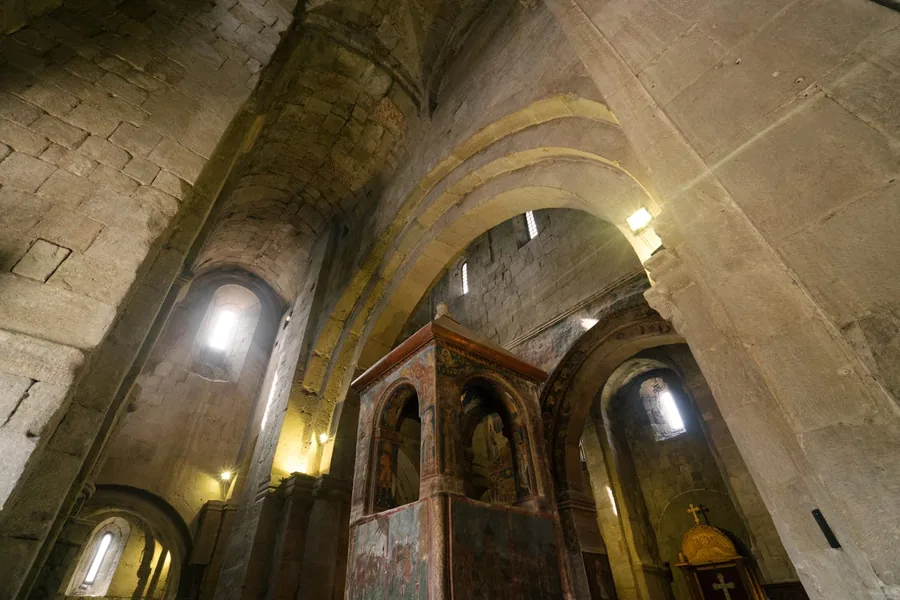
Why it matters: Built by William the Conqueror for private royal worship. One of the most complete Norman interiors in England. The barrel-vaulted nave, the tribune gallery, the massive columns — nothing about this space has been substantially altered since the 11th century.
What to notice: Sit down and let the proportions settle. The thickness of the walls, the height of the arcade, the total absence of decoration. This is what Norman power looked like from inside the room where kings prayed.
How well did you look?
3 quick questions about what you just saw
Visit complete!
Share your visit or save it for later
Your collection