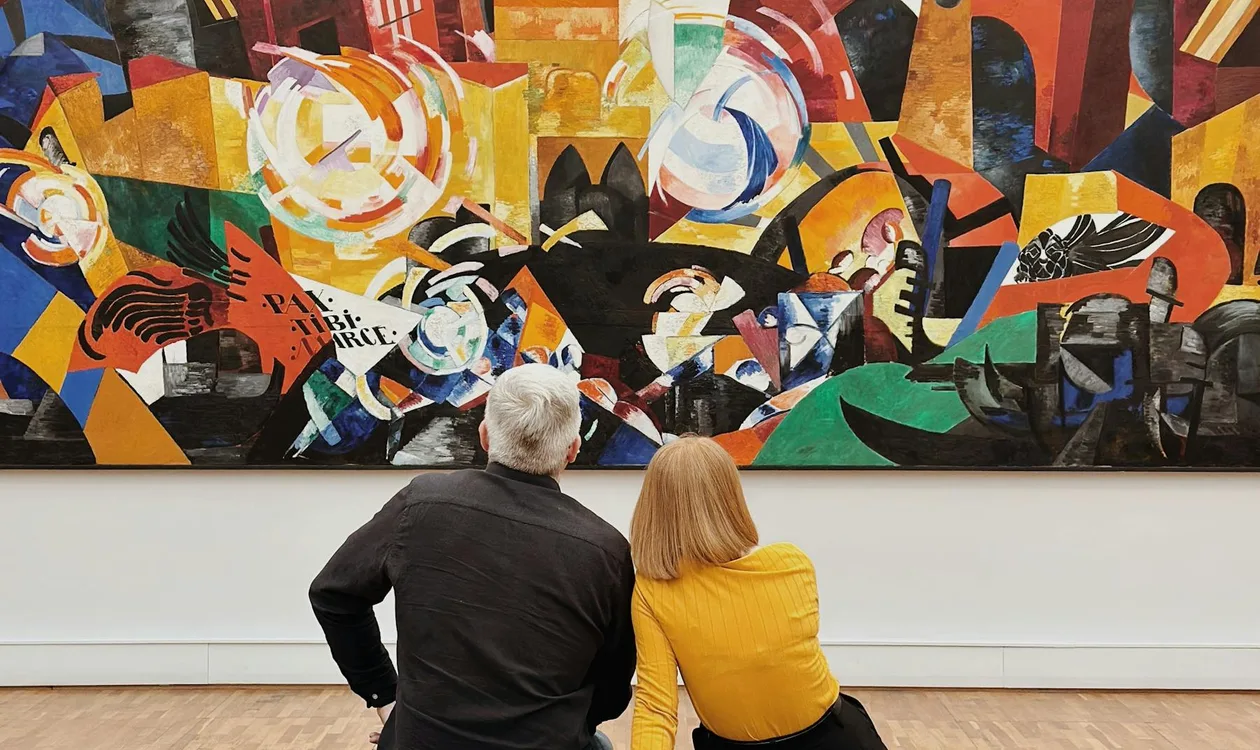
Two Buildings, Six Floors, One Free Afternoon.
A room-by-room route through the Rothko Room, Turbine Hall, and Level 10 terrace
Get your free guide
Enter your email to unlock the full room-by-room guide. One email unlocks all London museum guides.
Free · No spam · Unsubscribe anytime
Tate Modern is the museum that decided the building itself should be the first work of art — and then filled it with everything that came after.
Use the Blavatnik Building entrance on Park Street — the Turbine Hall entrance on Bankside draws 40–60 minute queues on weekend mornings, the Blavatnik almost never does. Once inside, cross through the connecting bridge to see the Turbine Hall commission from the upper walkway — the full 35-metre height is only visible from above. Walk through the installation at ground level, then take the stairs up. Resist spending more than 15 minutes here on first arrival.
Head to Boiler House, Level 2 for the Seagram Murals room. Nine panels Rothko painted for a Four Seasons restaurant in New York and then refused to deliver — he donated them to Tate instead. The room is kept dim and the canvases are large; stand close enough that the edges of the painting leave your peripheral vision. From here the permanent collection spreads across Levels 2–4: Picasso's Weeping Woman, Warhol's Marilyn Diptych, Dalí's Metamorphosis of Narcissus. Level 4 has a designated quiet room — useful when the galleries are full.
Take the lift in the Blavatnik Building to Level 10. On a clear day the view stretches from Tower Bridge to St Paul's to the City. On a weekend afternoon the queue for the lift can take 20 minutes — this stop works best on a Friday or Saturday evening after 18:00 when the building stays open until 21:00 and most daytime visitors have left. The terrace café is worth stopping at. If the queue is long, skip it and come back later.
The Park Street entrance to the Blavatnik Building has no queue most mornings. The Turbine Hall entrance on Bankside can hit 40–60 minutes on weekends. Five minutes of extra walking saves an hour.
Free 45-minute highlights tours of the permanent collection run several times daily. Check the board at the information desk on arrival. No booking required, no pre-announcement — they're just there if you know to look.
Late opening hours mean smaller crowds after 18:00. The Rothko Room, which can be packed at midday with tour groups, is often quiet by 19:00. The Level 10 terrace is worth visiting on a clear late evening.
When the galleries are full and the noise builds up, Level 4 of the Boiler House has a designated quiet space. Few visitors know it exists. It's a real room, not just a corner — usable for a break or for reading the floor plan in peace.
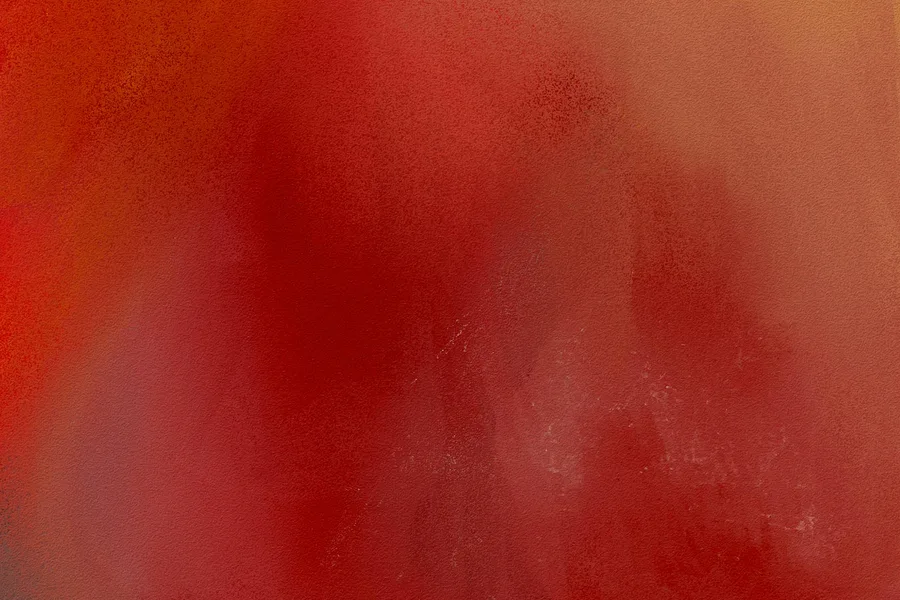
Why it matters: Mark Rothko painted these nine panels for the Four Seasons restaurant in the Seagrams Building in New York. During the commission, he visited the restaurant, decided he didn't want his art hanging in a place where the wealthy would eat in front of it, and returned the fee. He donated the panels to Tate instead. The room was designed with his input — the lighting, the hanging height, the spacing.
What to notice: Stand close enough that the edges of the canvas leave your peripheral vision. Rothko intended the works to envelop the viewer. At normal gallery viewing distance, they're just large dark rectangles. Two or three feet away, they pull you in differently.
Why it matters: Warhol made this within weeks of Marilyn Monroe's death in August 1962. The left panel uses bright, clashing screen-print colours; the right panel fades to monochrome. One reading: the contrast between public image and private reality. Another: the 50 repetitions reducing a person to a pattern. Warhol himself said very little about it, which is itself part of the work.
What to notice: Look at the registration errors in the screen-printing — the colour blocks don't quite align with the outline in several panels. These misalignments were intentional, not flaws. They're what makes each repetition slightly different from the last.
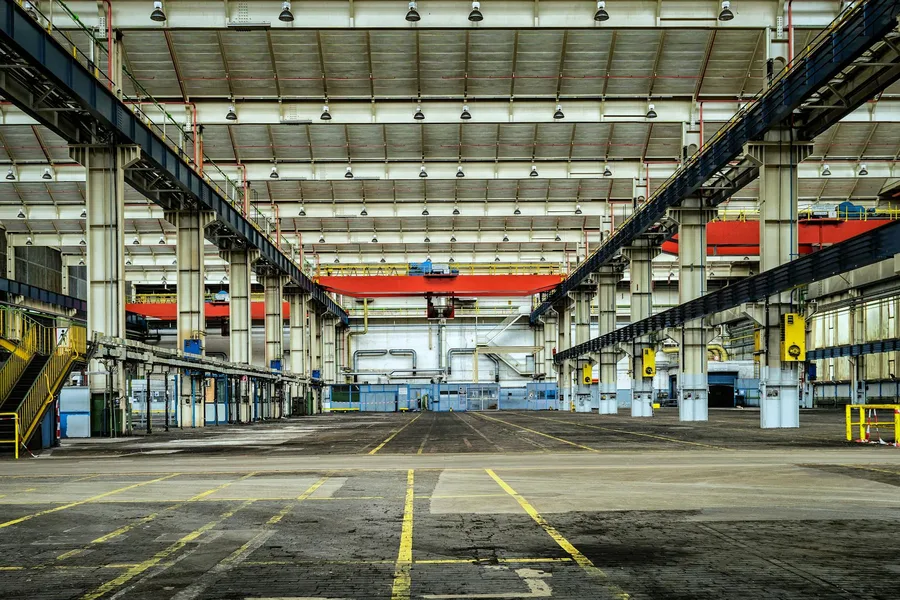
Why it matters: The Turbine Hall commissions have been among the most ambitious site-specific works in contemporary art since Tate Modern opened in 2000: Louise Bourgeois's spider sculptures, Olafur Eliasson's artificial sun, Ai Weiwei's sunflower seeds. The current commission by Sámi artist Máret Ánne Sara addresses reindeer herding rights and indigenous sovereignty through monumental material installation.
What to notice: View it from the upper walkway on the Boiler House side first — the full 35-metre height of the space is only legible from above. Then walk through it at ground level. The scale changes what the work means.
Planning the Frida Kahlo exhibition?
Book tickets direct on the Tate website — the exhibition opens 25 June 2026 and the first major Kahlo show in London in 20 years will sell out fast.
How well did you look?
3 quick questions about what you just saw
Visit complete!
Share your visit or save it for later
Your collection