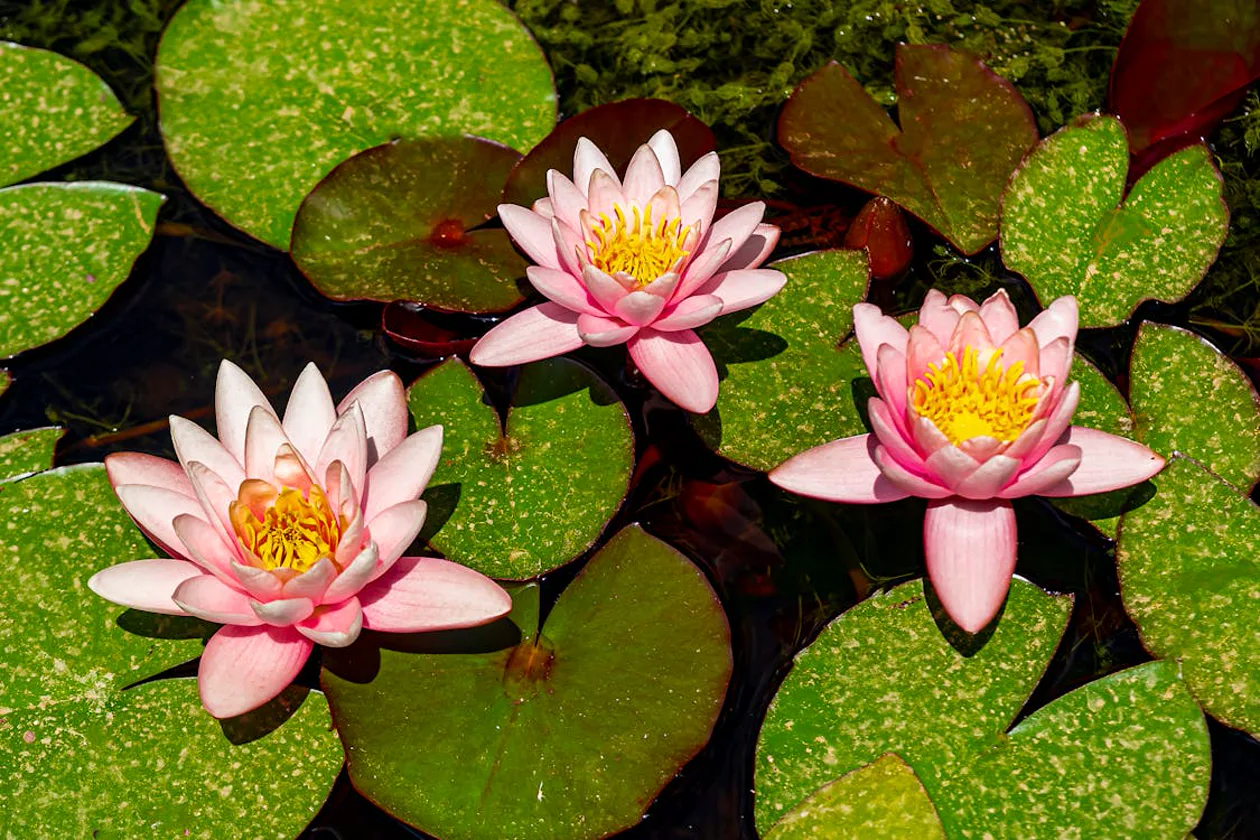
Eight Panels. Two Oval Rooms. One Unbroken View of Water.
A room-by-room route through the Orangerie — the Water Lilies cycle, the Walter-Guillaume collection, and what most visitors miss on the lower level.
Get your free guide
Enter your email to unlock the full room-by-room guide. One email unlocks all Paris museum guides.
Free · No spam · Unsubscribe anytime
Most visitors spend 20 minutes in the oval rooms and leave. Stay longer. Sit on the central bench in Room 1 until your eyes adjust. The paintings change completely as the light shifts — Monet designed them that way.
Enter Room 1 first — the larger of the two ovals. Monet designed these panels for north-facing natural light, so the room works best in morning. The four panels show Willows, Green Reflections, Morning, and Clouds. Sit on the central bench, not along the walls. From the centre, the paintings wrap around you as Monet intended. The brushwork appears chaotic close up. Step back three metres and the surface resolves into reflected sky, floating lilies, and still water. The transition — that moment of resolution — is the point of the whole room.
Room 2 is narrower and slightly darker — the Four panels here (Reflections of Trees, The Two Willows, Clear Morning with Willows, Setting Sun) shift toward gold and violet. Setting Sun, on the western wall, was the last panel Monet completed before losing most of his sight. The paint surface is thicker, more urgent. On overcast days, this room is noticeably different — the diffuse light makes the blues dominate. On sunny afternoons, the oranges in Setting Sun warm the entire room. Come twice if you can.
Most visitors skip this entirely. That is a significant mistake. Paul Guillaume and his wife Domenica assembled one of the finest Impressionist and post-Impressionist private collections in France — 144 works including Renoir, Cézanne, Matisse, Picasso, and Henri Rousseau. The Cézanne room alone (five major canvases) justifies the ticket price. Renoir's two large bathers paintings hang side by side and span 50 years of his style. Budget 45–50 minutes. Almost no one is here. Take your time with the Cézannes — each canvas rewards ten minutes of looking.
The Orangerie opens at 9 AM. By 10:30, the oval rooms hold a permanent crowd of people photographing the panels with phones. At 9:00, you can stand alone in Room 1 in near-silence. The experience is not comparable. Book the first slot and arrive five minutes early.
The bench in the middle of each oval room is where Monet intended viewers to stand. From the edges, you see individual panels. From the centre, the panorama closes around you and the room becomes immersive. Most visitors drift to the walls. Don't.
Visitors who do Orsay first arrive at the Orangerie tired and skip the lower level. The collections are complementary — the Orangerie focuses on Monet's late abstraction and the intimate Walter-Guillaume holdings; Orsay covers the broader Impressionist canon. Start with the smaller, quieter museum.
The panels in Room 2 (Setting Sun, The Two Willows) behave differently under diffuse light — the blues intensify and the gold tones recede. Sunny afternoons reverse this. Monet understood exactly what he was doing with the skylights. Check the forecast and calibrate your expectations.
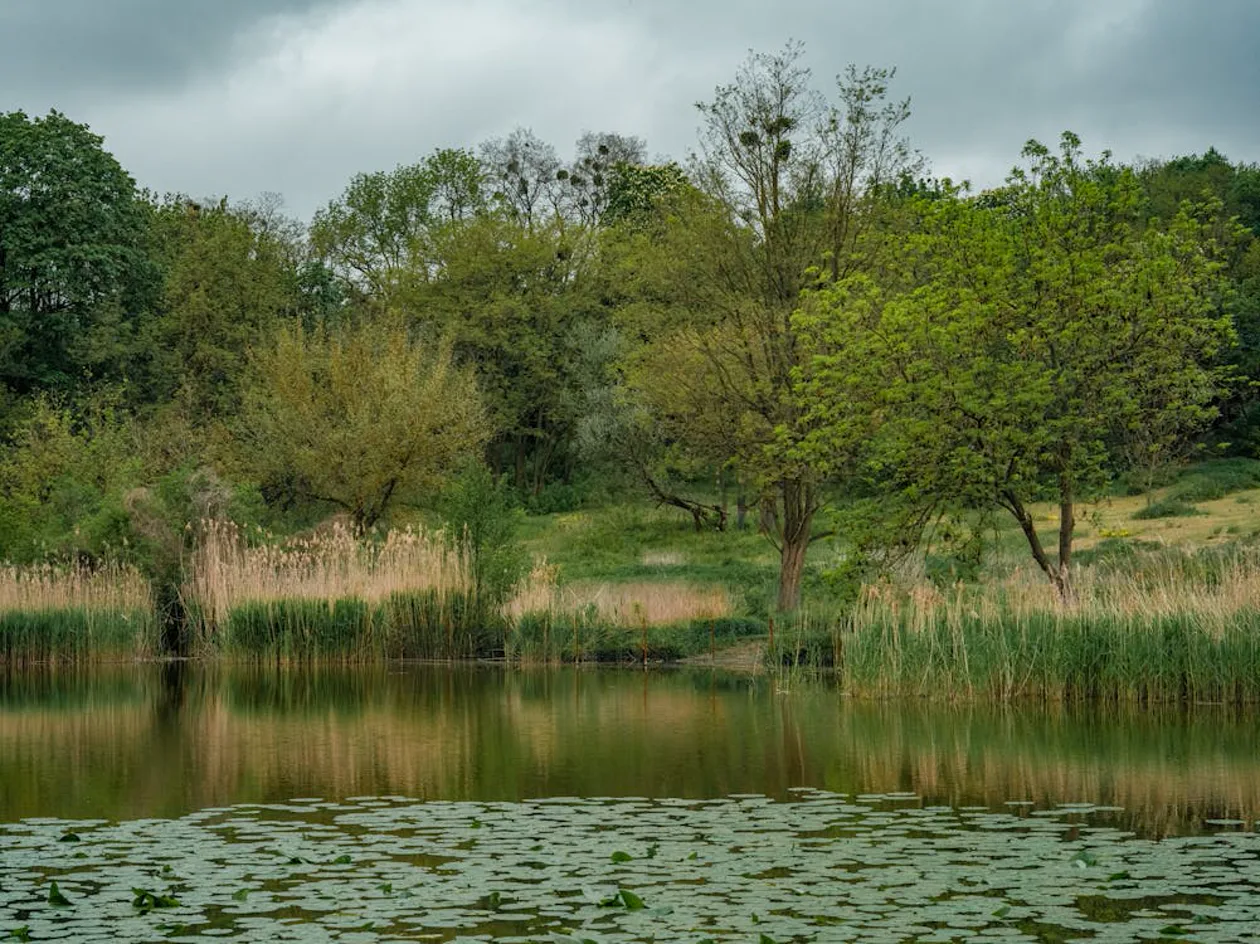
Why it matters: Monet donated these eight panels to the French state in 1922, on the day after the Armistice was signed. He conceived them as 'an asylum of peaceful meditation' — a gift to a country exhausted by war. He worked on them for twelve years as his eyesight failed, adjusting colours by memory and by feel. The oval rooms were built specifically to house them, designed with Monet's direct input on the skylights and wall curvature.
What to notice: Look at the panel seams — each canvas is enormous (up to 12 metres wide), painted in Monet's Giverny studio and then installed. Look up: the natural skylights use diffusers to eliminate direct sun. Monet argued that electric light would destroy the paintings. He was right. The room only works under diffused natural light, which is why time of day and weather actually change what you see.
Why it matters: Paul Guillaume was one of the first dealers to take Picasso, Matisse, and the African art movement seriously. His collection reflects a particular moment in French taste — after Impressionism but before abstraction became mainstream. The 24 Renoirs alone include the two large Bathers canvases that trace his entire late style. The five Cézannes are museum-quality works that would anchor any major collection.
What to notice: In the Cézanne room, pay attention to the brushwork direction — Cézanne built form through parallel diagonal strokes, never blending. Every touch is visible and intentional. This technique directly influenced Picasso and Braque. The three Picassos in the collection hang nearby and show exactly what they absorbed. The Rousseau works (two jungles) are otherworldly — painted by a self-taught customs officer who had never left France.
How well did you look?
3 quick questions about what you just saw
Visit complete!
Share your visit or save it for later
Your collection