Klimt Paintings in Vienna: Where to See The Kiss and the Rest (2026)
Vienna holds more Klimt than any city on earth. The Kiss at the Belvedere is only the start — here's where the other masterpieces hang, room by room.
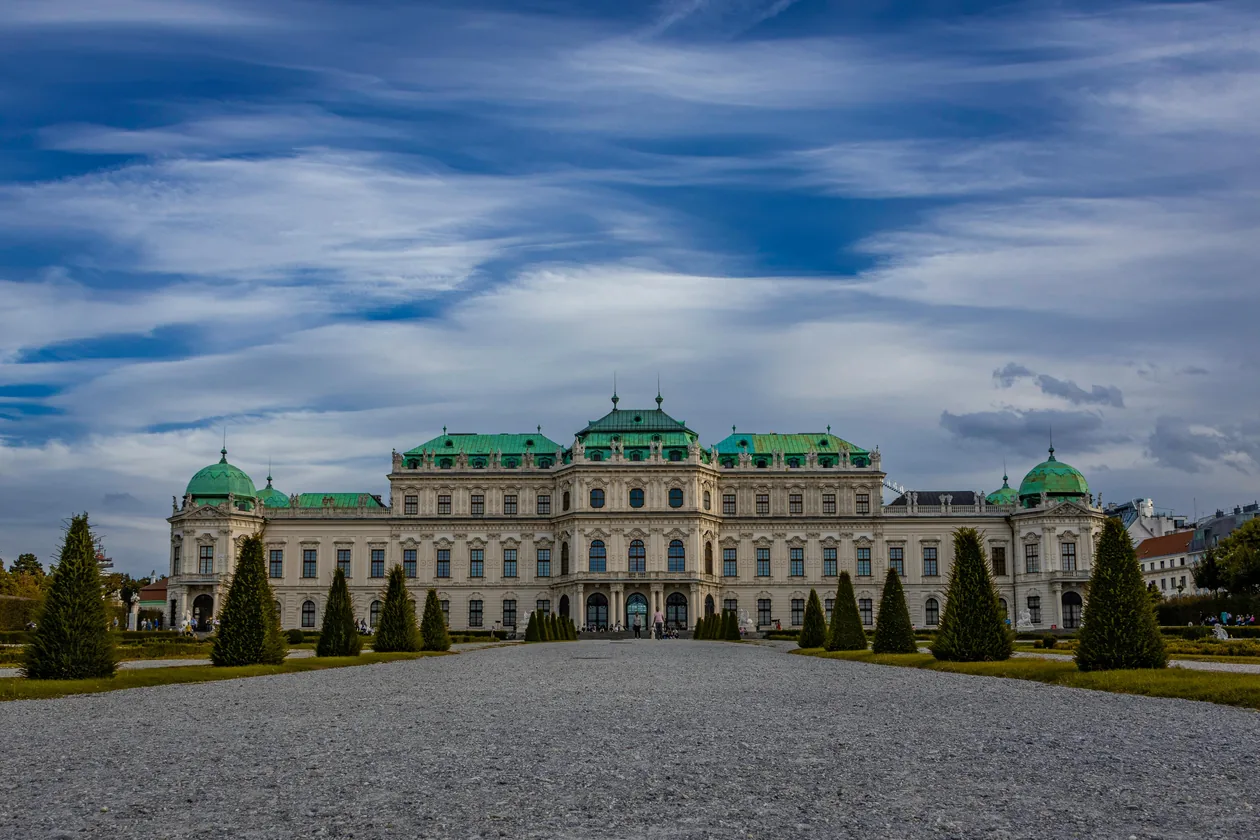
If you only see The Kiss, you've seen one tenth of what Vienna owns. The city holds more Klimt than anywhere else on earth — paintings, frescoes, drawings, and one basement full of allegory that was never supposed to last a century. They're split across five locations, most within a tram ride of each other, and the gap between the famous one and the ones nobody photographs is smaller than you'd think.
In 3 minutes, you'll know:
- Where every major Klimt painting actually hangs in Vienna in 2026
- Which location to prioritise if you have half a day, a full day, or two days
- The entry prices and rough queue times for each
- Which Klimt works are better than The Kiss but get a tenth of the attention
Where is The Kiss actually hanging?
Upper Belvedere, upper floor, in the dedicated Klimt room. The painting is 180 by 180 centimetres, finished in 1908/09, and it's always there — no loans, no rotations. Arrive at 9am when the museum opens, go straight up the grand staircase, turn right, and you'll have a clear ten minutes with the painting before the first tour groups file in. By 11am the room is three people deep.
The five Klimt locations in Vienna (in order of weight)
1. The Kiss + Judith I — Upper Belvedere, Klimt Room
The Belvedere holds 24 Klimt works. The Klimt room on the upper floor is the single densest concentration of his gold-period painting anywhere: The Kiss, Judith I (1901), the unfinished Bride, and Adam and Eve all share one space. Tickets €23 (€19 students and seniors, under 19 free). Queue is short if you book online and arrive at opening. Verdict: if you do one thing, do this. Book Belvedere tickets on GetYourGuide.
2. Death and Life — Leopold Museum, Level 3
The Leopold holds Klimt's Death and Life (1910/15), a painting he considered his most important allegorical work. Around it: a strong selection of Klimt drawings and a few smaller canvases, plus the largest Egon Schiele collection on the planet in the rooms next door. Tickets €19, same-day combo with Kunsthistorisches €41 on GetYourGuide. The Leopold is quieter than the Belvedere — more breathing room in front of the paintings. Book Leopold Museum tickets on GetYourGuide.
3. Beethoven Frieze — Secession Building, Basement
Thirty-four metres of allegory painted directly on the walls in 1902 for a Beethoven exhibition that lasted four months. It survived by accident. The dedicated basement room reconstructs the original spatial experience — you walk the frieze the way the 1902 audience did. €12 entry, quiet most mornings, 20 minutes is enough. Verdict: essential for anyone interested in Klimt's decorative phase beyond the gold.
4. Portrait of Emilie Flöge — Wien Museum, Karlsplatz
Klimt's 1902 portrait of his lifelong companion Emilie Flöge is held by the Wien Museum, which reopened in late 2023 after a full renovation. The painting is part of the permanent display but rotates — check wienmuseum.at before you go. Free entry to the permanent collection. Verdict: worth it if the painting is up; skip if it's in storage.
5. Ceiling frescoes in the Burgtheater — Ringstrasse
Klimt painted ceiling panels in the Burgtheater staircases in the 1880s with his brother Ernst and Franz Matsch. Access is via the theatre's guided tour (around €9) or during a performance. The panels are early work — academic, pre-gold, interesting mostly for showing how far he'd travel by 1907. Verdict: for completists.
Bonus: Klimt's grave — Hietzing Cemetery
Section 5, grave 194. Simple stone, easy to miss. Ten minutes from Schönbrunn Palace. Not a painting, but if you've done the other four locations it closes the loop.
Practical info
- Belvedere (Upper)
- €23 (€19 students under 26 and seniors over 65). 9am–18h daily. The Kiss, Judith I, 22 other Klimts.
- Leopold Museum
- €19. 10am–18h, closed Tuesdays. Death and Life, Klimt drawings, full Schiele collection.
- Secession
- €12. 10am–18h, closed Mondays. Beethoven Frieze in the basement.
- Wien Museum
- Free permanent collection. 9am–18h, closed Mondays. Portrait of Emilie Flöge (rotates).
- Burgtheater
- Guided tour around €9. Check burgtheater.at for schedule.
Last verified: April 2026. Hours and prices change — confirm on each museum's official page before you go.
Frequently asked questions
Which museum has the most Klimt paintings in Vienna?
The Belvedere, with 24 Klimt works including The Kiss and Judith I. The Leopold Museum is second with around 40 drawings and a handful of paintings including Death and Life. The Wien Museum, the Secession, and the MAK each hold one or two key pieces. If you see only one museum, the Belvedere is the answer.
Which museum for Klimt if I only have 2 hours?
The Upper Belvedere. The Klimt room on the upper floor holds The Kiss, Judith I, and several gold-period works in one space. Book a morning slot around 9am, walk straight to the Klimt room, spend 40 minutes there, then circle back through Schiele and the French 19th-century rooms. You'll be out in under two hours.
Where is Klimt buried, and can you visit?
Klimt is buried at Hietzing Cemetery in western Vienna, near Schönbrunn Palace. The grave is simple and easy to miss — section 5, grave number 194. Most Klimt visitors skip it, but if you're already at Schönbrunn it's a 10-minute detour.
Is the Beethoven Frieze worth a separate trip to the Secession?
Yes, if you care about Klimt beyond The Kiss. The frieze is 34 metres of allegory painted directly on the basement walls of the Secession building in 1902. It was meant to be temporary; a century later it's one of the most complete Klimt environments you can walk through. €12 entry, 20 minutes inside, done.
Can I see Klimt's Portrait of Emilie Flöge in Vienna?
Yes. The Portrait of Emilie Flöge (1902) is at the Wien Museum, which reopened in late 2023 after a long renovation. Check the official wienmuseum.at page before you go — the permanent display rotates and this painting is not always on view.
Vienna is the one city where you can see a Klimt morning, afternoon, and evening and still not see them all. Start at the Belvedere for the gold, walk 15 minutes to the Secession for the frieze, then tram to the Leopold for Death and Life. That's most of his major work in one day, and the best argument for why Klimt belongs to this city alone.