Is the Kunsthistorisches Museum Worth It? An Honest Review (2026)
The Kunsthistorisches charges €22, takes 4 hours to do properly, and most visitors come for one room of Bruegels. Honest review for travellers deciding whether it earns a half-day in Vienna.
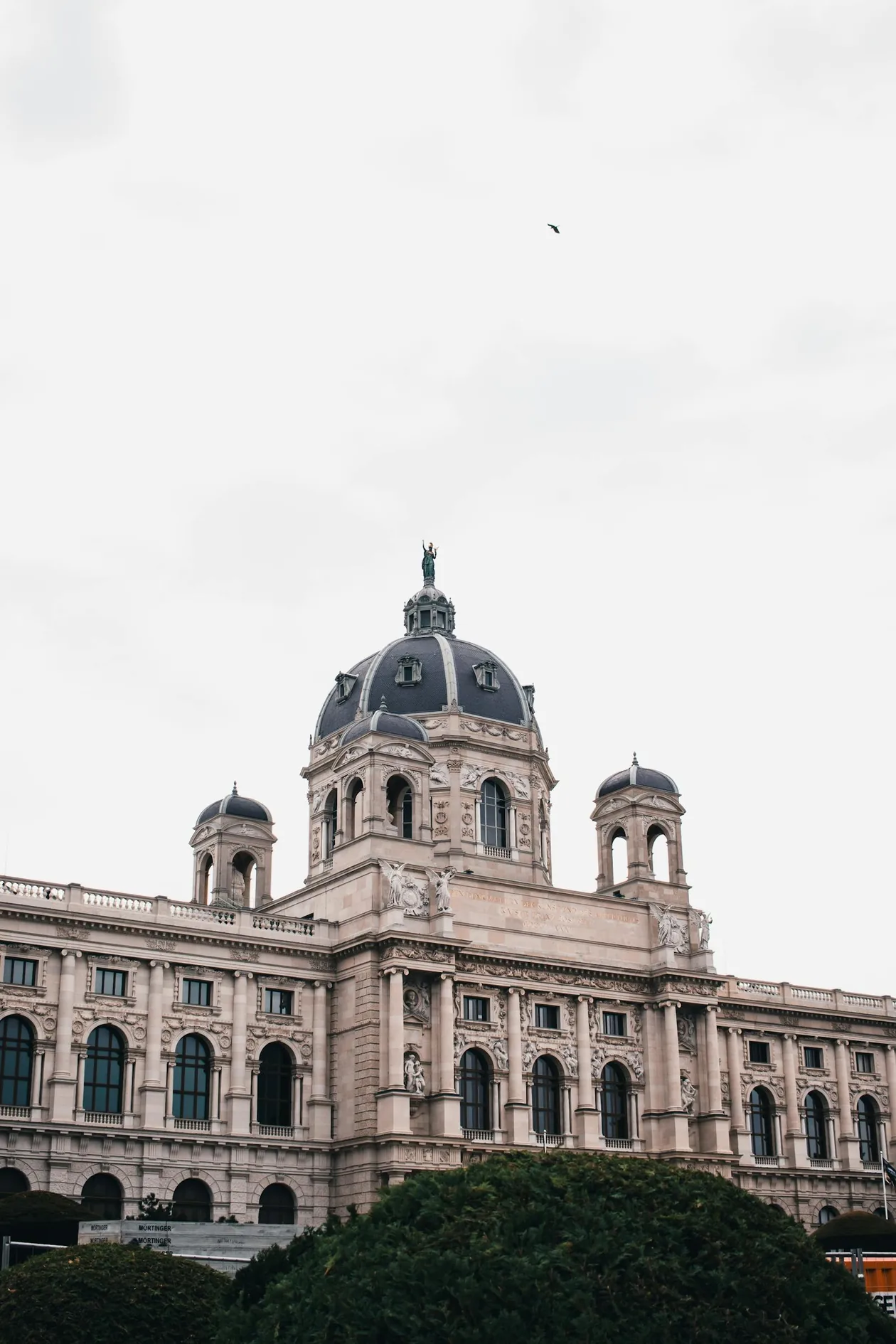
The Kunsthistorisches Museum holds one of the five best old master collections in the world, costs €22 to enter, and most visitors cram it into 90 minutes between brunch and a Klimt photo. Every Vienna guidebook tells you to go. None of them tell you whether it's worth the half-day it actually deserves. This is the honest take, written for travellers deciding whether to commit a full morning to it.
The short answer
Yes, for first-time visitors to Vienna. The Picture Gallery alone — Bruegel, Vermeer, Raphael, Titian, Velázquez, Caravaggio, Rembrandt — is the kind of room you only get to see once every few capitals. The Kunstkammer adds something Vienna doesn't share with any other museum: a Habsburg cabinet of curiosities the size of a wing.
No, if you're more interested in modern art. If your Vienna trip is built around Klimt, Schiele, and Vienna 1900, the Belvedere and the Leopold are the right choices. The Kunsthistorisches stops at 1800.
No, if you've already been in the last 5 years. A second visit has heavily diminishing returns — the layout is fixed, the rotations are minor, and the building isn't designed for a quick re-visit of "just the Bruegels." If you've seen it once, spend your morning at the Albertina or the Akademie der bildenden Künste (Bosch's Last Judgment) instead.
What's genuinely world-class
The Bruegel room (Saal X). Twelve Bruegel paintings in one space — Hunters in the Snow, The Tower of Babel, Peasant Wedding, The Peasant Dance. No other museum in the world has more than two. The Habsburgs collected obsessively and the Vienna concentration is the result. This is the single best half-hour in the building, and the only room where you can stand in front of a Bruegel without competing for the angle.
Vermeer's The Art of Painting. Hangs in the Picture Gallery and most visitors don't realise what they're looking at. One of only 35 surviving Vermeers, looted by the Nazis from the Czernin collection, recovered after the war. The composition — the curtain pulled back, the painter at his easel, the model holding a trumpet — is the most self-conscious image of painting itself in 17th-century art.
The Kunstkammer. A 20-room wing of Habsburg curiosities. Cellini's Saliera (the golden salt cellar made for Francis I, stolen from the museum in 2003, recovered buried in a forest box three years later) is the headliner, but the entire wing is extraordinary — automata, ivory carvings, scientific instruments, narwhal tusks once sold as unicorn horns. Closer to a 16th-century mind than any painting in the building.
Raphael's Madonna of the Meadow. Painted at 22, balanced so completely it looks simple until you study how every element guides your eye. One of the great Raphaels in Europe and almost always quiet.
The building itself. The Picture Gallery is a 19th-century palace, the dome café is one of the most beautiful museum cafés in Europe, and the building's twin (the Naturhistorisches Museum) faces it across Maria-Theresien-Platz. You'd pay to see the building empty.
What's overhyped (or skippable)
The coin cabinet. The world's largest, which sounds impressive until you realise it's case after case of coins. Specialists love it. Casual visitors should give it five minutes if they pass through and not seek it out.
Parts of the Egyptian collection. Strong objects, weak presentation. The room layout is dim and dense, and after an hour of paintings most visitors don't have the energy. Better Egyptian collections exist in Turin, London, and Cairo.
The Greek and Roman antiquities. Real masterpieces (the Gemma Augustea, the Theseus mosaic) but they sit in a wing most visitors reach when they're already tired. If you're an antiquities specialist, prioritise this on entry; if not, skip.
The basement special exhibitions. Often paid extra and uneven in quality. Check what's on before you decide whether the surcharge is justified — the permanent collection is the reason you came.
The real problems
The museum is bigger than you think. Two main floors, half a kilometre wide. The standard route is 3-4 km of walking on marble floors. Most visitors hit fatigue around hour three and absorb less in the second half. Eat beforehand.
The Kunstkammer is easy to miss. It's on the ground floor, opposite the antiquities. Many visitors do the Picture Gallery first floor, exit through the gift shop, and never see the Kunstkammer at all. Plan your route — see our Kunsthistorisches tickets guide for the room order that doesn't skip anything.
Thursday evenings sound appealing but draw the biggest local crowd. The museum is open until 9 PM on Thursdays, which works for the routine but means the Picture Gallery is crowded with a different demographic than the daytime tour groups. Tuesday or Wednesday morning is calmer.
The audio guide is €6 and adds 60+ minutes to the visit. It's decent for the Picture Gallery, weak on the Kunstkammer. If you have 2 hours, skip it. If you have 4, take it.
The strategies that make it worth it
1. Book the 10 AM opening slot. You'll be in the Bruegel room by 10:15, before the school groups arrive. The single biggest experience upgrade available — same €22, much calmer rooms.
2. Bruegel first, Kunstkammer second, antiquities optional. The standard advice is "start in the Picture Gallery." The better version: first floor (Bruegel and Vermeer) → ground floor (Kunstkammer) → café break under the dome → antiquities or Egyptian if energy permits, otherwise leave. You'll see the most important rooms with the most attention.
3. Use the dome café as a structural break. Marble columns, painted ceiling, decent coffee. Most visitors walk through it on autopilot. Sit down for 20 minutes around hour two. The second half of the visit improves dramatically.
4. Combo with the Imperial Treasury (€32 total). The Treasury holds the Habsburg crown jewels, the Holy Lance, and one of the largest emeralds in the world — a 20-minute walk from the museum, in the Hofburg. The combo saves €6 over two separate online tickets and gives you a second collection that complements the Kunstkammer's Habsburg obsession.
5. Skip the day if it's a Monday September–May. The museum closes Mondays from September through May. Don't be the visitor who walked half an hour to a closed building.
Who should skip it
- Anyone who's been before in the last 5 years
- Visitors with mobility issues — the route is long, mostly not seated, and elevators are limited to specific paths
- Travellers whose Vienna trip is built around Klimt and Vienna 1900 — go to the Belvedere and the Leopold instead
- Visitors with under 90 minutes to spend — better to skip than to see only the first floor
Our verdict
Worth it, with caveats. The Kunsthistorisches is exhausting, occasionally non-obvious to navigate, and not everything in it earns equal attention. It is also the only place in the world where you can see twelve Bruegels, a Vermeer, the Cellini Saliera, and a Habsburg cabinet of curiosities in one ticket. For a first-time Vienna visitor with a half-day to give it, that's enough. Book the 10 AM slot, plan the route, take the café break.
If your Vienna trip is built around modern art, skip without regret. The Belvedere and the Leopold cover the side of Vienna most travellers actually came for.
For the head-to-head comparison with Vienna's other heavyweight, see our best art museums in Vienna ranking. If you're choosing between the smaller Vienna museums, the Belvedere vs Albertina comparison covers the next layer down.
Quick reference
| Factor | Verdict |
|---|---|
| Price (€22 online) | Fair for the depth of the collection |
| Crowds | Manageable Tue–Wed AM, busier Thu evening |
| Time commitment | 2 hrs minimum, 4-5 hrs full museum |
| First visit? | Yes — worth it |
| Return visit? | Mostly no — diminishing returns |
| With kids? | 8+ with the Kunstkammer as the anchor |
| Best slot | 10:00 AM Tuesday or Wednesday |
| Combo | + Imperial Treasury €32 (saves €6) |
Prices and availability change — confirm on the official site before booking.
Last verified: June 2026
Frequently asked questions
Is the Kunsthistorisches Museum worth the price?
Yes for old master fans, painting students, and first-time visitors to Vienna. The €22 ticket gives you the world's largest Bruegel collection, Vermeer's Art of Painting, Raphael, Titian, Velázquez, and the Kunstkammer's Cellini Saliera. If you've already been or you're more interested in modern art, the Belvedere or Leopold are better uses of the same morning.
How long do you actually need at the Kunsthistorisches?
2 hours covers the Bruegel room and Picture Gallery highlights. 3 hours adds the Kunstkammer. 4-5 hours is the full museum. Most visitors underestimate the size.
What's the difference between the Kunsthistorisches and the Belvedere?
The Kunsthistorisches covers old masters (1400s-1700s): Bruegel, Vermeer, Raphael, Titian, Velázquez. The Belvedere covers Austrian art from medieval to modern, anchored by Klimt's The Kiss. Different eras, different strengths.
What's the downside of the Kunsthistorisches?
Size and pacing. The museum is large enough that most visitors leave with sensory fatigue around hour three. Thursday evenings draw the biggest local crowd despite the longer hours. The coin cabinet and parts of the Egyptian collection are skippable for casual visitors.
Is the Kunsthistorisches worth it with kids?
Yes from age 8 with preparation. The Kunstkammer is more engaging for kids than the Picture Gallery. The audio guide has a children's track.
If you've decided to go, see our Kunsthistorisches tickets guide for prices and the route that doesn't skip the Kunstkammer. Worried about the crowds this review warns about? The Kunsthistorisches entrance ticket on GetYourGuide (€22, 4.6★, 3.8K reviews) is the same price as official with free 24h cancellation — useful for the 10 AM slot if your morning shifts.