The Museum That Never Stays the Same
A floor-by-floor route through Barcelona's boldest cultural space
Get your free guide
Enter your email to unlock the full room-by-room guide. One email unlocks all Barcelona museum guides.
Free · No spam · Unsubscribe anytime
CCCB doesn't show you art. It shows you ideas — and the building itself is the first one.
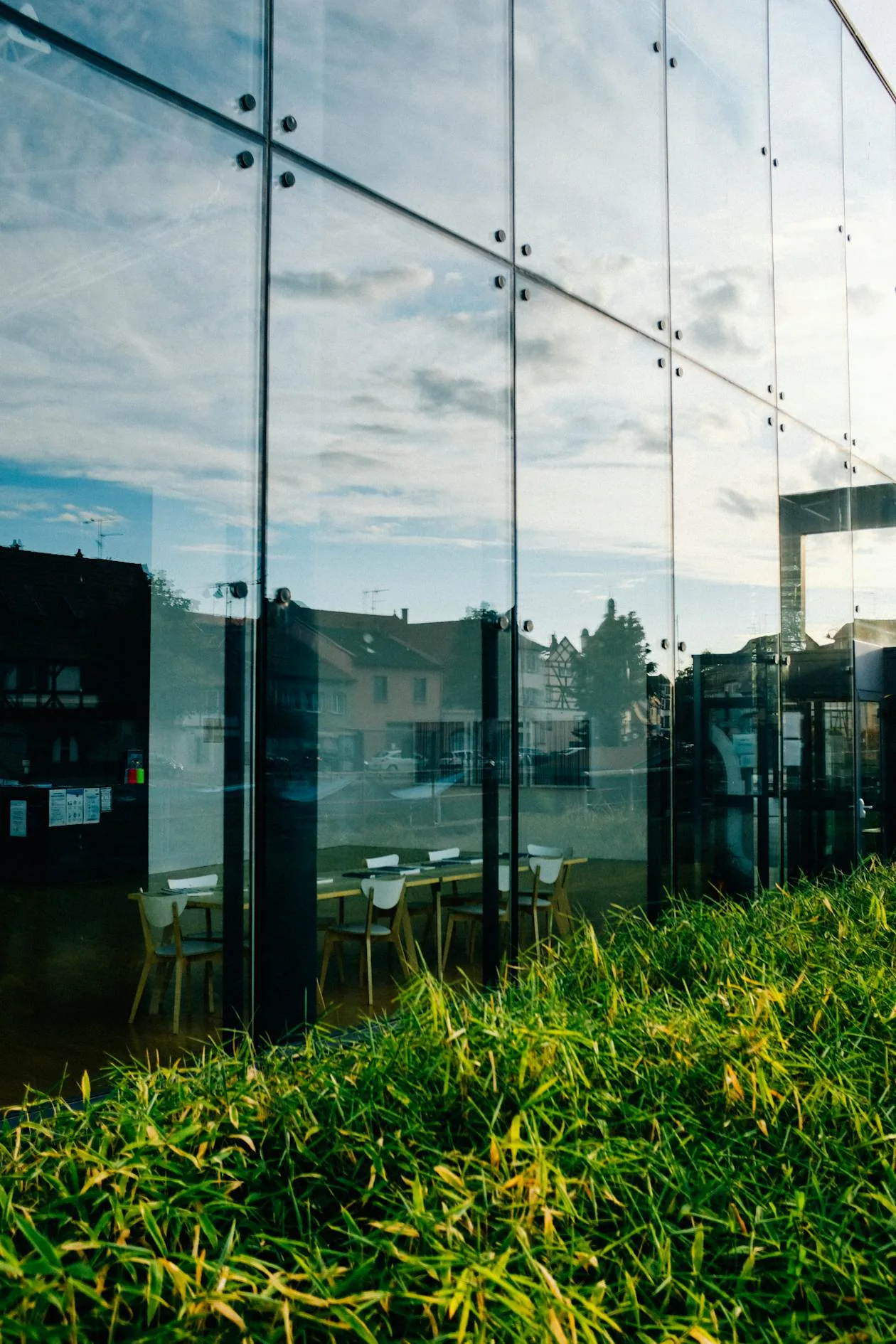
Enter through Montalegre 5. The courtyard is free to access and sets the tone. The prismatic glass facade reflects the 19th-century Casa de Caritat walls — old stone mirrored in modern glass. Take your photos here before the exhibitions.
Check what's running before you go — CCCB has no permanent collection. Floors 3 and 4 host the main exhibitions. Start on Floor 4 and work down to avoid backtracking. Read the introductory panels — CCCB shows are concept-driven, and context changes everything.
The 5th-floor viewpoint gives you a panoramic view over El Raval, the Gothic Quarter, Montjuïc, and the sea. Access may be limited to certain hours or exhibitions. Best light is in the late afternoon when the sun catches the old town rooftops.
Free entry Sundays 3-8 PM fills up fast. Book your timed slot on the CCCB website as soon as slots open. Popular exhibitions sell out days in advance.
MACBA is a 3-minute walk across Plaça dels Àngels. Both are included in Articket. A CCCB + MACBA afternoon is one of the best half-day routes in Barcelona for contemporary culture.
No permanent collection means the visit changes entirely depending on what's on. Between major exhibitions, the space can feel sparse. Check cccb.org before booking.
Laie CCCB is one of Barcelona's most curated cultural bookshops. Art, architecture, philosophy, design. Better selection than most museum shops in the city.
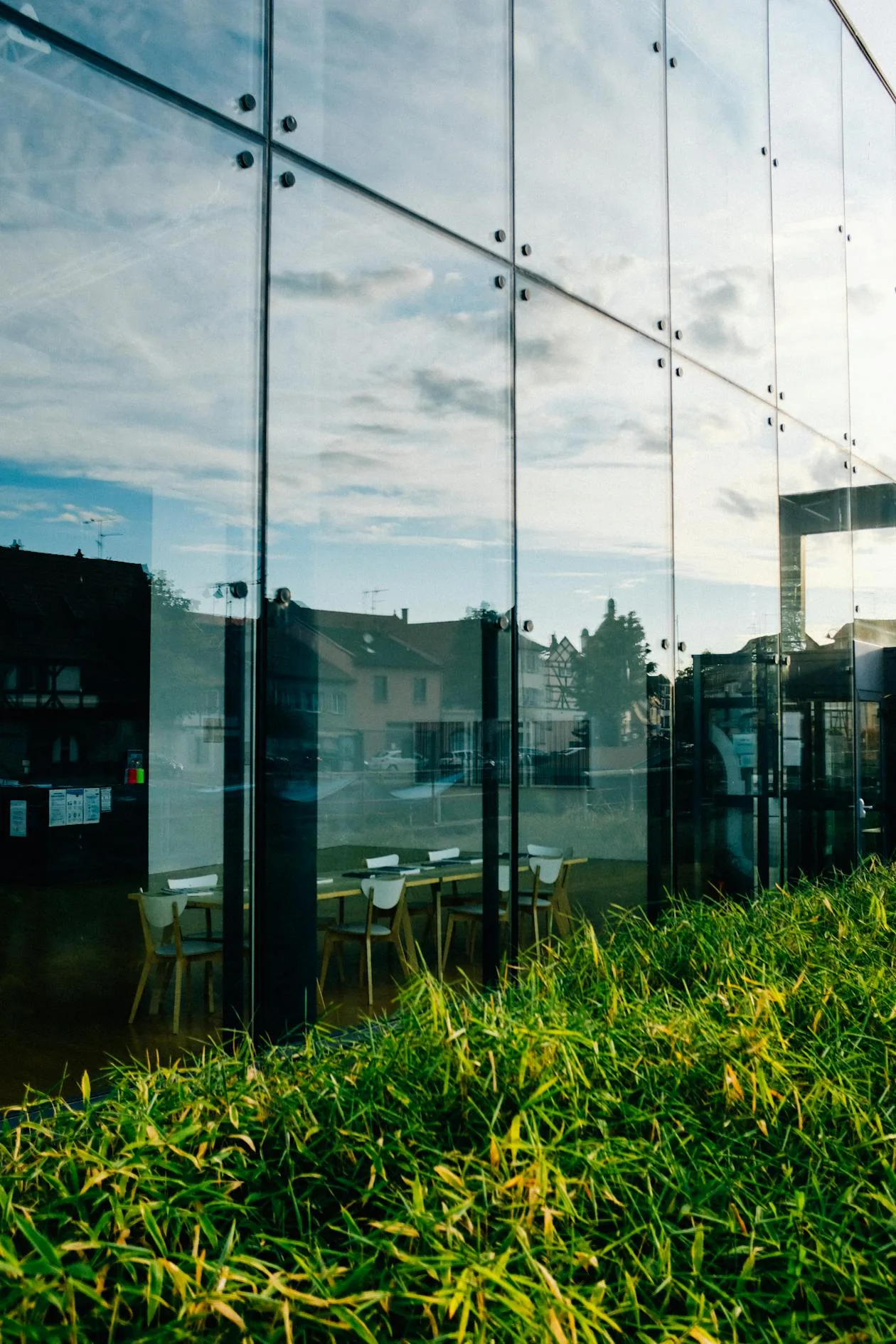
Why it matters: The courtyard is CCCB's architectural signature. The angled glass wall reflects the original 1802 Casa de Caritat facade, creating a dialogue between centuries.
What to notice: Stand at the centre of the courtyard and look up at the glass. The reflection changes depending on the time of day — afternoon light gives the warmest effect.

Why it matters: One of the few elevated viewpoints in the old city. You see El Raval's rooftops, the Gothic Quarter, Montjuïc, Tibidabo, and the sea from a single spot.
What to notice: Look for the contrast between the medieval streets below and the modern buildings beyond. The layered skyline tells Barcelona's story better than any exhibition panel.

Why it matters: Before CCCB existed, this was a charity house for Barcelona's poor. The building's history — from shelter to cultural centre — mirrors El Raval's own transformation.
What to notice: Look at the stone carvings above the entrance. They date from the original 1802 building and survived the renovation intact.
How well did you look?
3 quick questions about what you just saw
Visit complete!
Share your visit or save it for later
Your collection