Best Wine Bars in Paris 2026: Where Locals Drink
Paris has two wine bar cultures running in parallel: the natural wine wave that reshaped the city's bar scene in the 2010s, and the old-school caves à manger that never needed reinventing. Both are worth knowing before you walk through the door.
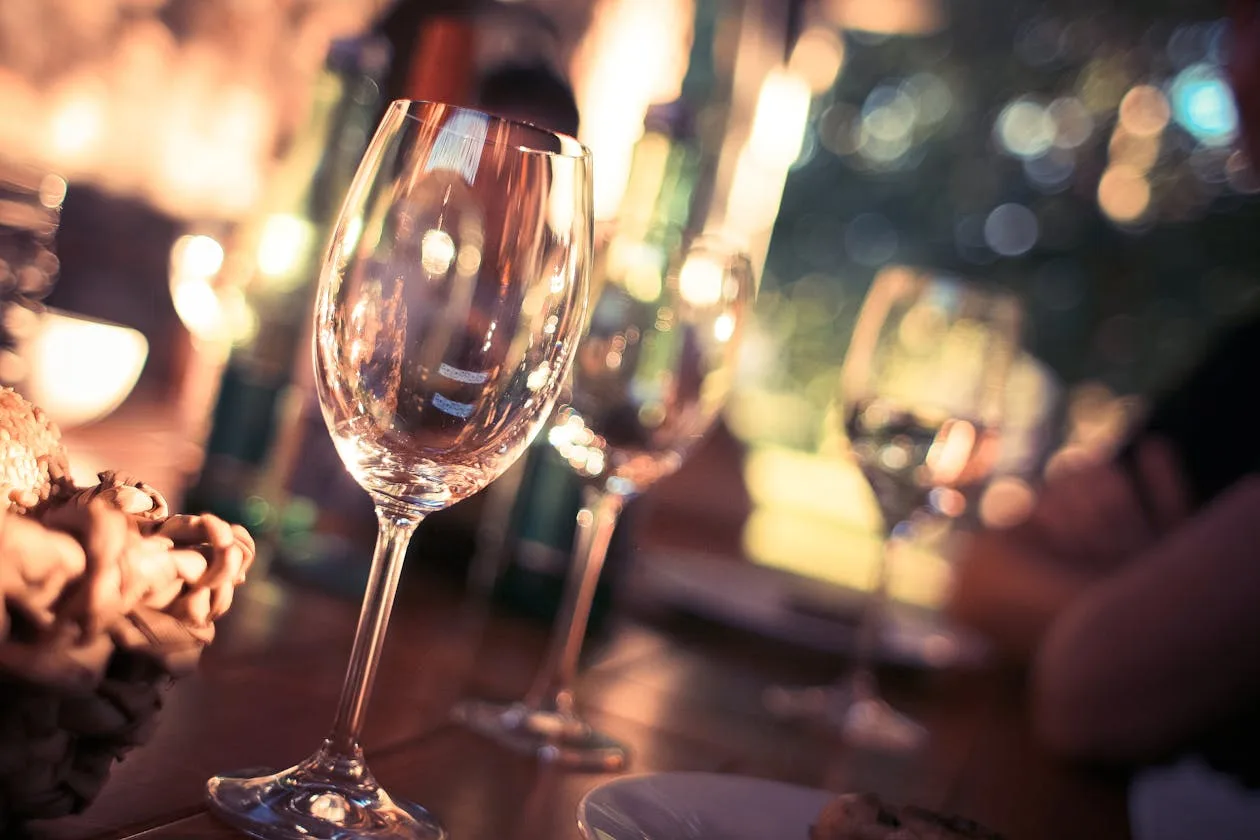
Paris has two wine bar cultures running in parallel. The natural wine wave that broke around 2010–2014 gave the city a new vocabulary — unfiltered, low-intervention, producer-forward — and opened dozens of bars that still anchor the scene today. But alongside them, the old-school caves à manger held their ground: quiet rooms with serious French regional lists, cheese boards cut to order, and no particular interest in trend cycles. Neither is better. They serve different evenings.
What follows is a neighborhood-by-neighborhood guide to both, with specific addresses rather than vague areas.
What to expect at a Paris wine bar
The standard format is a bar à vin or cave à manger: a wine-focused room, often with 30–60 seats, where a glass runs €5–12 and bottles in the drinking range sit between €20 and €45. Natural wine bars trend toward the higher end of the glass price. Food is almost always available — a cheese board (assiette de fromage), charcuterie, or a daily small plate — but it's secondary. You're there to drink, and eating is an extension of that.
Standing at the bar is common, particularly early in the evening. Seated tables are either first-come or reserved for dinner. In most Paris wine bars, the bar itself is the best seat: you'll talk to the server, they'll steer you toward something interesting, and the energy is better than a corner table.
Le Marais
Les Enfants Rouges (39 rue de Bretagne, 3rd) is the most straightforward option in the neighborhood — named after the covered market next door, with a short list that rotates regularly and a kitchen running proper small plates. It fills with locals mid-week, which is the best indicator of a wine bar that doesn't rely on foot traffic. Closed Mondays.
Frenchie Bar à Vins (6 rue du Nil, 2nd — technically the 2nd, bordering Marais territory) runs a more curated natural-leaning list alongside small plates that are better than the format usually demands. The rue du Nil block has become a destination in its own right, with the cheese shop and fishmonger nearby. Arrive at 6.30pm — the bar fills by 7pm and doesn't take reservations.
Caves Legrand (1 rue de la Banque, 2nd) is one of the oldest wine merchants in Paris, operating since 1905, with a tasting bar inside the shop. The list is classical French — Burgundy, Rhône, Loire — without the natural wine angle. If you want to drink something well-sourced at close to retail price with no posturing, this is the address.
Pigalle and the 9th
South Pigalle — SoPi to the shorthand crowd — became a bar destination around 2012 when rents were still low enough for independent operators. That window has closed, but the bars that settled there have stayed good. The stretch between rue des Martyrs and rue Frochot is worth an evening on its own.
La Buvette (67 rue Saint-Maur, 11th — though the founders' spirit started SoPi's wave) deserves its own entry below, but the Pigalle area equivalent is Le Richer and the surrounding caves. For wine specifically, the best option in the 9th is Racines (8 passage des Panoramas, 2nd) — inside the 19th-century Panoramas covered arcade, with a serious natural wine list and a kitchen that earns its own attention.
For a straightforward early-evening glass near Pigalle proper, the bars around rue Notre-Dame de Lorette (between Pigalle Metro and the 9th) are reliable without being destination-worthy. Good for a quick glass before dinner, not worth planning your evening around.
The 11th arrondissement
The 11th has more bars per square meter than any other arrondissement in Paris — partly geography (it's central without being tourist-central), partly because it absorbed a wave of independent openings in the 2010s that gave it critical mass. The area around Oberkampf, Charonne, and rue de la Roquette is where the scene is densest.
La Buvette (67 rue Saint-Maur, 11th) is the most cited address in Paris for a reason. The format is minimal — a narrow room, a short rotating list of natural wines, simple food — but the sourcing is consistently good and the atmosphere is what people mean when they describe a Paris wine bar at its best. It's small and fills fast; arrive at 6pm or expect to wait.
Septime La Cave (3 rue Basfroi, 11th) is the wine bar annex of the restaurant Septime. The list is serious and natural-forward, with bottles available to take away. It operates as a cave during the day and fills as a wine bar from early evening. The neighborhood around rue de Charonne is one of the most walkable in the 11th — combining Septime La Cave with dinner somewhere nearby makes for a good evening without moving far.
Le Verre Volé (67 rue de Lancry, 10th — Canal Saint-Martin, just north of the 11th) stretches the geographic boundary but belongs in this list. It was one of the early natural wine bars in Paris, opened in 2000, and the quality has held. The terrace on the canal is the draw in warm months. Food is serious enough that many people treat it as a restaurant rather than a wine bar.
Natural wine vs. classic: what's the difference?
Natural wine is made with minimal intervention — low or no added sulphites, no filtering, often wild-yeast fermentation — and tends to come from smaller producers working organically or biodynamically. The style can range from precise and clean to cloudy and funky, depending on the producer and the vintage. Paris bars that focus on natural wine will often pour you something from a region you haven't heard of, by a producer with no marketing budget. That's the point.
Classic bars — places like Caves Legrand or Au Sauvignon (80 rue de Saints-Pères, 7th) — pour French regional wines from established appellations: Burgundy Pinot Noir, Loire Sauvignon Blanc, Rhône Grenache, Bordeaux. The list is predictable in the best sense. If you know what you like and want to drink it well, these are your addresses. If you want to be surprised and don't mind the occasional odd bottle, go natural.
What to order
Order by the glass to start, then commit to a bottle if you're staying. Tell the server what you like — light vs. full, fruit-forward vs. earthy — and ask what they'd pour from that direction. Paris wine bar servers are used to this conversation and will give you a real answer.
Three regions worth knowing: Beaujolais (particularly from the crus like Morgon or Moulin-à-Vent) is where natural wine in France arguably started, and the bars have strong selection. Loire Valley Chenin Blanc is the insider grape — ask for it by name and you'll usually get something interesting. Burgundy Pinot Noir is the classic order, though at a wine bar you'll pay less than at a restaurant for the same quality.
Food is worth ordering. A cheese board at a Paris wine bar is usually €10–16 for two to three cheeses, sourced from the market nearby. It's not an afterthought.
Practical info
- Glass price range
- €5-12 (natural wine bars lean toward €8-12)
- Bottle range (drinking)
- €20-45 at a wine bar, often €10-20 above retail
- Best hours
- 6-9pm is peak wine bar time in Paris; many fill by 7.30pm
- Reservations
- Not usually needed for bar seating; required for dinner tables
Last verified: April 2026
If you're planning a day in Paris before a wine bar evening, the Paris in one day itinerary covers the museum and walking route that gets you to the 11th by aperitivo hour without burning out. For museum planning specifically, the Musée d'Orsay tickets guide and the Paris Museum Pass breakdown cover the booking logistics that will determine how your afternoon ends.
Frequently asked questions
What is a cave à manger in Paris?
A cave à manger is literally a 'cellar to eat in' — a wine shop with tables, where you can drink from the retail stock (often with a small corkage fee) alongside simple food like cheese boards or charcuterie. The format is informal, prices are closer to retail than restaurant, and the selection is usually curated by the owner rather than a sommelier team.
Where is the best neighborhood for wine bars in Paris?
The 11th arrondissement is the most bar-dense neighborhood in the city and has the highest concentration of wine bars per square kilometer — particularly around rue de la Roquette and Oberkampf. Le Marais (3rd/4th) is the best option if you're already doing museums or the Picasso. Pigalle and the 9th are strong for aperitivo-style evenings closer to Montmartre.
Are natural wine bars worth visiting in Paris?
Yes, with context. Paris was one of the early cities where natural wine moved from fringe to mainstream, and the quality has risen significantly since the early 2010s. That said, not every bottle is good — some natural wines are funky in ways that read as faults. If you're new to them, ask the server what's more approachable. The best bars will guide you without making you feel like a student.
What time do Parisians drink wine at bars?
The peak window is 6pm to 9pm. Paris doesn't have a formal aperitivo hour like Milan, but wine bars fill early and stay crowded through dinner. Arriving before 7pm means you'll get a spot at the bar without waiting; by 7.30pm the good places are usually full. Many wine bars close earlier than you'd expect — check hours before going out after 10pm.
- Paris in One Day: The Realistic 24-Hour Itinerary (2026)
- Paris Museum Pass 2026: Is It Worth It? (Honest Math by Visitor Profile)
- Musée d'Orsay Tickets 2026: Prices, Hours & How to Skip the Line

Or skip the planning: I'll do it for you
Send me your dates. I’ll plan which museum goes on which day, around closures, free days and timed entries, and check every date against the official museum sites myself. In your inbox the same day.
 Planned by Adrià, who writes these guides